Chords in progress
We have not analyzed this song audio yet. Once it is ready, you will see the chord player synced with the video.
The story behind
Instant-táneas, according to DoReSol
Instant-táneas doesn’t sound like just another 80s track; it’s a snapshot captured between two giants of Argentine rock. Fito Páez and Luis Alberto Spinetta come together here to turn lyrics that seem like a street diary into a musical dialogue where one’s keyboards and the other’s guitar intertwine like two voices recognizing each other. The title itself is a nod: like John Lennon’s Polaroids, but set against the whirlwind of Buenos Aires, where the narrator lists fragments of a city in conflict ("I see a breakup, a crash, an explosion, a university") while carrying the weight of a crumbling relationship. It’s not just a song about love or heartbreak, but about how the city—and its noises—sink into the chest and spill out through the mouth.
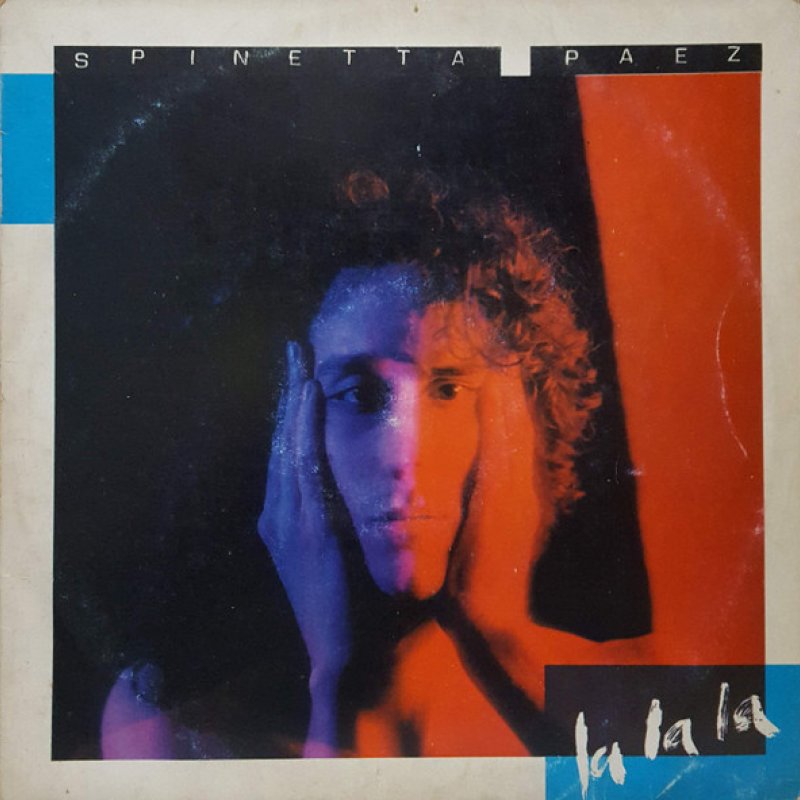
The recording of La la la in 1986 happened at a pivotal moment: Argentina was breathing democracy after years of dictatorship, and national rock, which had been born in the 60s, was urgently reinventing itself. Spinetta and Páez, each with their own shadows—he had just come off a failed attempt with Charly García and the album Privé, where Fito had participated—decided to take a risk on a joint project. The result was a double album where their songs coexist alongside a tango by Mores/Contursi and even an instrumental by Carlos Franzetti. But Instant-táneas stands out because it doesn’t just feature two legends; it brings together two generations: the one that founded Argentine rock and the one that received it with echoes of the Malvinas War and democratic opening. The collaboration was so unusual that it’s still remembered as a milestone, beyond numbers or rankings. That said, life added a tragic twist to that moment: shortly after recording, Páez lost his grandmother and great-aunt in a brutal crime in Rosario, a pain that marked the album and which Spinetta closely accompanied, even taking on some guilt for the tragedy. The song, then, carries that weight too, even as it crackles with pure electric energy and keyboards.
From album

La la la
Luis Alberto Spinetta · 1986 · Track 2
Details
Credits
Lyrics Fito Páez
Music Fito Páez