The story behind
Hô-Ba-La-lá, according to DoReSol
The way João Gilberto approached Hô-Ba-La-lá reveals a very particular sonic quest. His interpretation is distinguished by an almost whispered delicacy, where the voice intertwines with the guitar in an intimate manner. The duration of the piece, barely 2:16, concentrates an atmosphere that invites attentive listening, almost as if sharing a secret. This way of singing, with syllables sometimes advanced or delayed with respect to the rhythmic pulse, and vocal control that minimizes any superfluous sound, became a distinctive mark of his style.
Originally from Juazeiro, João Gilberto Prado Pereira de Oliveira, born in 1931, moved to Rio de Janeiro around 1950. There, after a stint with the band Garotos da Lua, he dedicated himself to perfecting his musical vision. His encounter with Tom Jobim, a pianist and composer with classical training and an affinity for jazz, was crucial. Together, they began to shape what would become known as Bossa Nova. This new musical current took the rhythmic complexity of samba and simplified it to be performed on guitar, often with no further accompaniment. Gilberto is credited with inventing this guitar technique. In 1958, the album Canção do Amor Demais, with music by Jobim and lyrics by Vinícius de Moraes, marked a milestone, and shortly after, João Gilberto would record his own first album.
From album

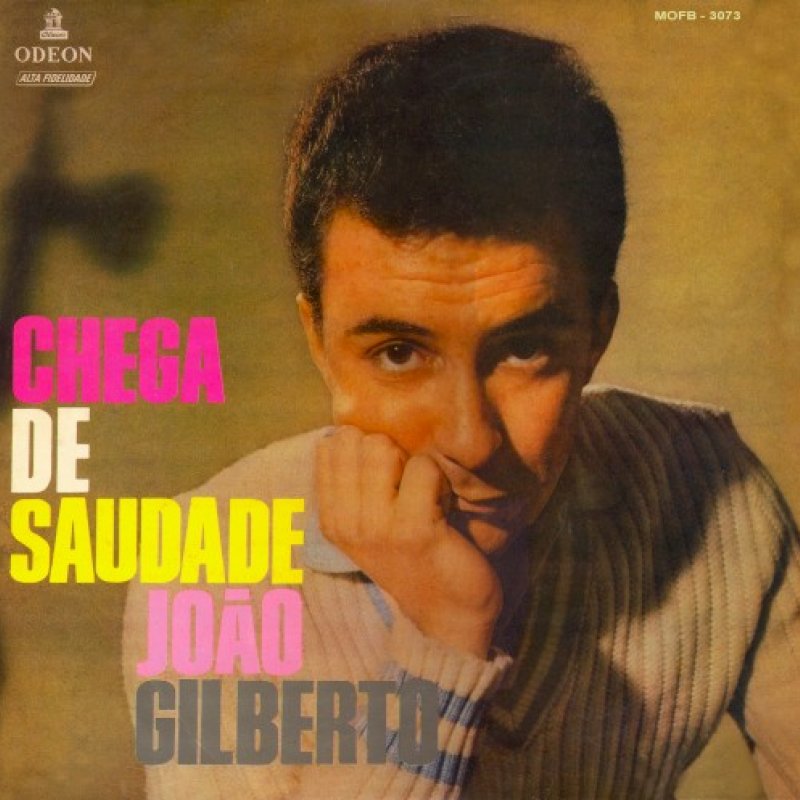
Chega de saudade
João Gilberto · 1959 · Track 4
Details
Credits
Lyrics João Gilberto
Music João Gilberto