The story behind
Helter Skelter, according to DoReSol
When Paul McCartney read an interview where Pete Townshend of The Who described his 1967 single as the loudest and rawest thing they had recorded, he felt the urge to create something similar. He wanted a screaming voice and powerful drums, seeking a sound that would be "loud and dirty." Thus, Helter Skelter was born, a song considered a starting point for the development of *heavy metal*. McCartney himself confessed that he liked noise and that, after hearing a record promoted as wild and full of echo, he decided to make his own. Upon listening to that record, he noticed it was rather sophisticated and not as raw as he expected, which motivated him even more to put his idea into Helter Skelter. The lyrics, which begin with the image of a fairground slide, "when I get to the bottom I go back to the top of the slide," become increasingly suggestive and provocative. McCartney explained that he used the slide symbol as a metaphor for the rise and fall of empires, representing decline and the end.
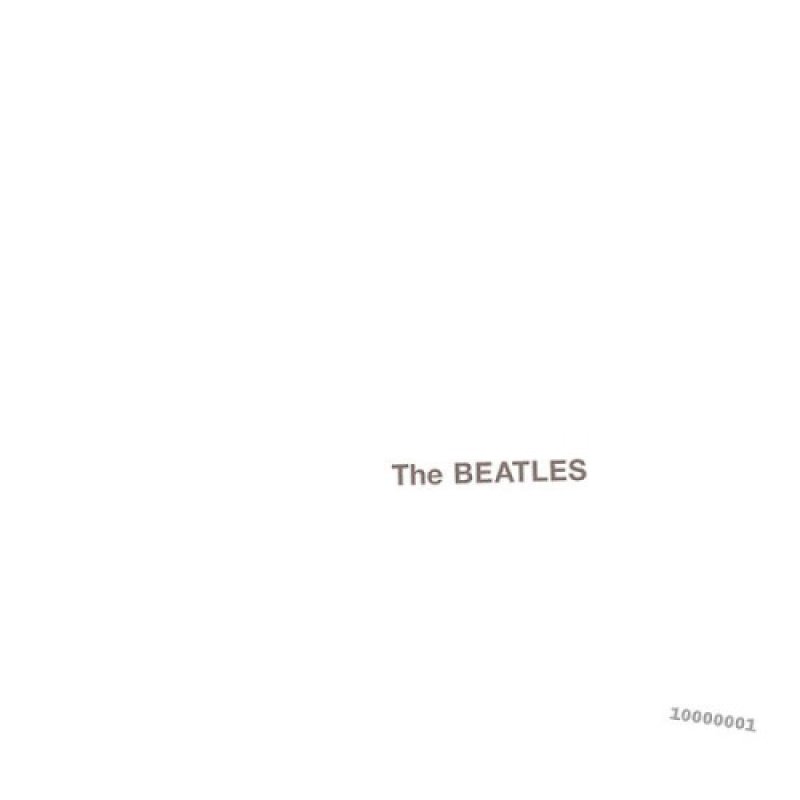
The recording of Helter Skelter, which is part of the 1968 album known as The Beatles or White Album, took place at EMI Studios in London in July and September of that year. It was produced by George Martin and Chris Thomas, with Ken Scott as recording engineer. The song, written entirely by McCartney and credited to Lennon–McCartney, was recorded in an atmosphere of intensity; it is said that at the end of one of the extensive recording sessions, Ringo Starr shouted, "My fingers are bleeding!". The musical structure is quite straightforward, using only the chords E, E7, G, and A, and is characterized by a prolonged ending where the performance stops, resumes, fades, and reappears amidst a great deal of sound. Despite its sonic complexity, the piece was recorded in a relatively short time. The song was released in the United States in 1976 as the B-side of the single Got to Get You into My Life, as part of the promotion for Capitol Records' compilation album, Rock 'n' Roll Music. The particularity of its sound and its intensity led it to be performed by artists such as Siouxsie and the Banshees, Mötley Crüe, and Aerosmith, and to be recognized for its influence on later bands like Black Sabbath and Deep Purple.
From album

The Beatles
The Beatles · 1968 · Track 23
Details
Credits
Music Paul McCartney, John Lennon