The story behind
Happiness Is a Warm Gun, according to DoReSol
This Beatles song, Happiness Is a Warm Gun, is a fascinating example of how a musical piece could be constructed from seemingly disparate fragments. John Lennon, its principal songwriter, described it as a kind of miniature "history of rock and roll," uniting three distinct sections that spanned different styles. The structure is quite complex, with constant changes in meter, moving through time signatures such as 4/4, 6/4, 9/8, 12/8, and 7/4, which gives it a unique and challenging character. The lyrics, for their part, have a double meaning, playing with the idea of guns and, as Lennon himself admitted, with his sexual desire for Yoko Ono. The title, in fact, he took from an article in American Rifleman magazine that he found in the studio, and he thought it was an incredibly striking phrase.
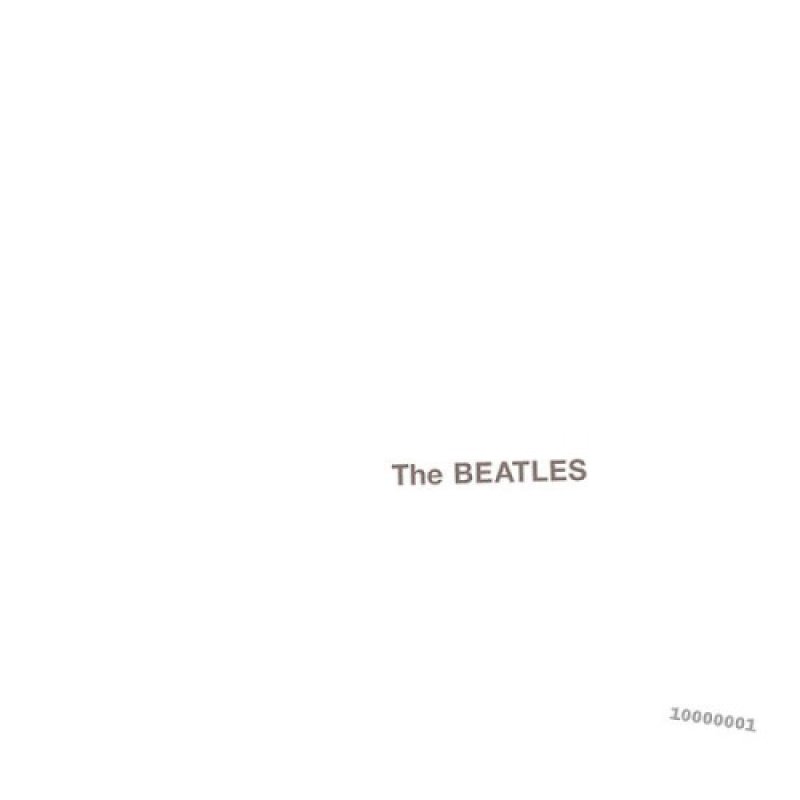
The recording of Happiness Is a Warm Gun, which took place in September 1968 at EMI Studios in London, occurred at a time of some tension within the band. Despite this, they worked together in a very cohesive manner to bring the song's intricate rhythmic structure and time signature changes to life. George Harrison, with his knowledge of Indian classical music, contributed valuable ideas for the metric changes, something he had already done in other compositions. The final part of the song was enriched by the backing vocals of Harrison and Paul McCartney, who added a doo-wop style touch. A preliminary version of the song, recorded at George Harrison's home in Kinfauns before the album sessions, showed the initial development of the piece, with only some parts present. Fragments of this demo were released in 1996, and the complete version saw the light in 2018. Although the album as a whole received mixed reviews at first, this song was very well received by music critics, who praised its complexity and lyrics. In fact, all four members of The Beatles singled it out as their favorite on the record.
From album

The Beatles
The Beatles · 1968 · Track 8
Details
Credits
Music Paul McCartney, John Lennon