The story behind
Gracias a la Vida, according to DoReSol
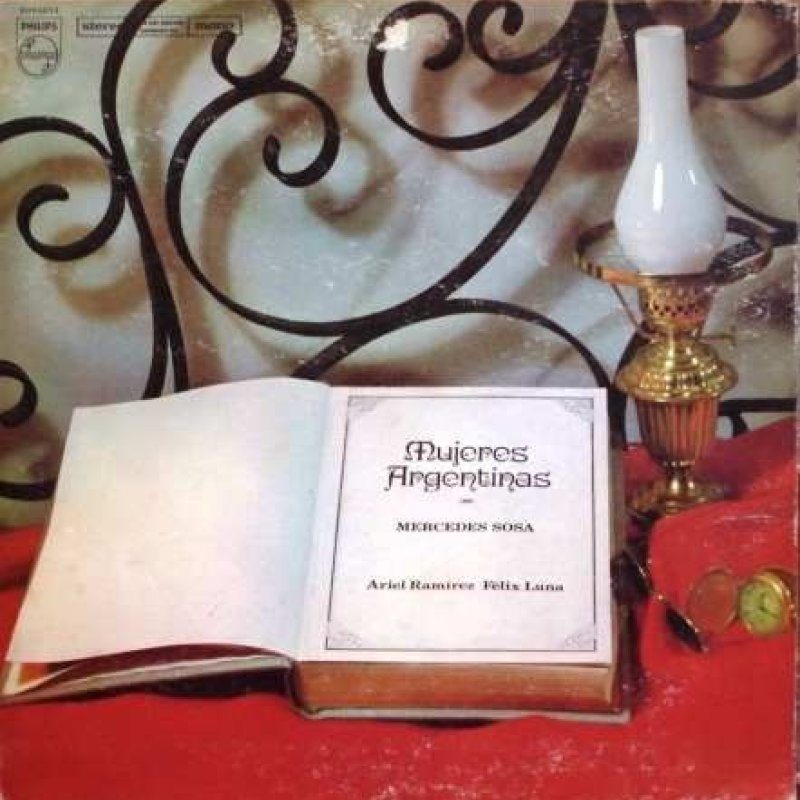
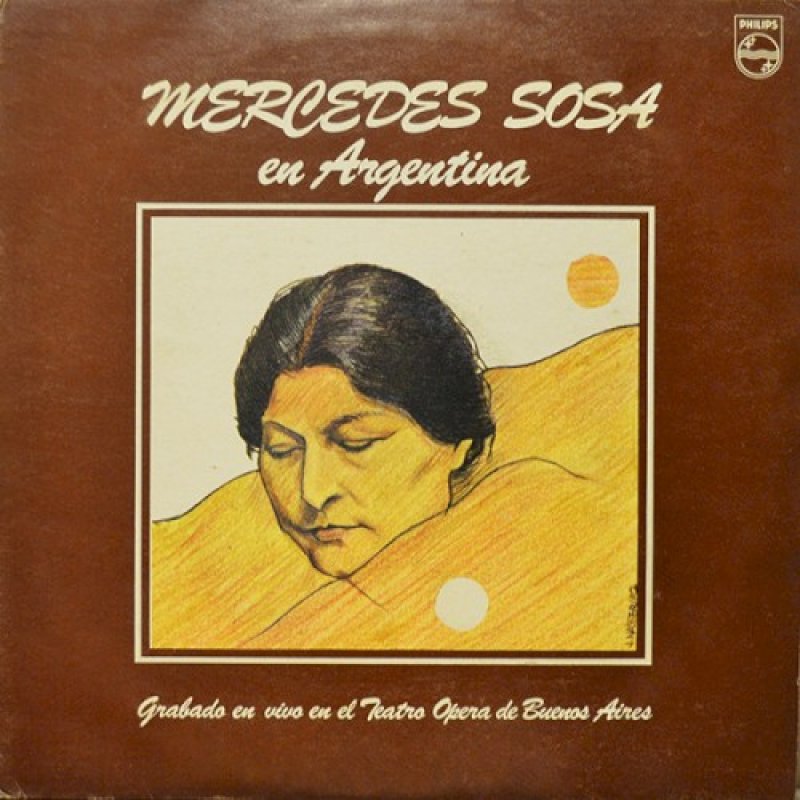
When a song resonates across continents and generations, it's because there's something in its essence that strikes a universal chord. *Gracias a la Vida*, in the voice of Mercedes Sosa, is one of those melodies that transcend borders. Originally composed by Chilean singer-songwriter Violeta Parra in 1966, this piece became an anthem, a reflection of gratitude for existence itself. The version that Sosa recorded in 1971, included in her album *Homenaje a Violeta Parra*, was what catapulted it to massive diffusion in the Spanish-speaking world, but its reach didn't stop there.
The strength of *Gracias a la Vida* has been such that artists of the caliber of Joan Baez popularized it in the United States in 1974, and Italian singer Gabriella Ferri did the same in Italy that same year. Even in more recent times, it has been reinterpreted by actress and singer Cote de Pablo for the soundtrack of the film *The 33* in 2015, and by American artist Kacey Musgraves in 2021. This song, which was born within the Nueva Canción Chilena movement, has proven to be a cultural bridge, inspiring musicians of diverse genres and nationalities to give it their own voice.
In 2010, in the face of the devastation caused by an earthquake in Chile, a large-scale project emerged. Under the production of Humberto Gatica, a group of artists gathered under the name Voces Unidas por Chile to record a solidarity version of *Gracias a la Vida*. This collaborative effort included figures such as Shakira, Juanes, Juan Luis Guerra, Aleks Syntek, Alejandro Sanz, and Miguel Bosé, among many others. The initiative sought to raise funds to help those affected, and the international distribution of the song, through Warner Music, directed its profits to Habitat for Humanity, an organization dedicated to providing housing to families in need. It is a clear example of how a work can mobilize wills and generate a tangible impact beyond the purely musical.
Details
Credits
Lyrics Violeta Parra
Music Violeta Parra