The story behind
Fina estampa, according to DoReSol
When you immerse yourself in *Fina estampa*, you encounter a melody that evokes the elegance of a strolling gentleman. The original composer, Chabuca Granda, imagined it in 1956, dedicating it to her father and to that masculine figure with a distinguished bearing, impeccable clothing, and a hat, who dazzled as he passed. The lyrics paint this image with details that make a child smile and even move the window curtains, suggesting a charm that transcends mere sight. It is a Peruvian waltz, rooted in the style of *música criolla*, that captures that essence of gallantry.
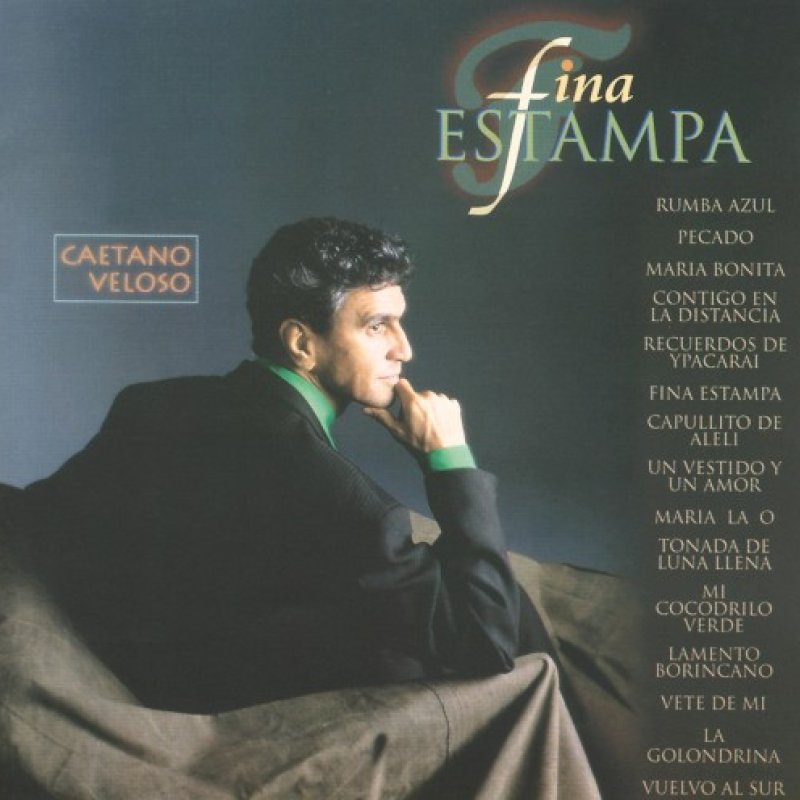
The history of this piece is rich in interpretations. As early as 1961, there was a plan to compile Granda's creations, and for the version of *Fina estampa* on that album, she herself chose the group *Los Cinco*. Over the years, Chabuca Granda herself recorded it on several occasions, each time with different accompaniments: in 1968 with musicians like Carlos Hayre, in 1973 with Óscar Avilés on guitar and Chucho Ferrer on organ, and in 1980 in Buenos Aires, in what would be her last album, with Caitro Soto among others. The song crossed borders and became known internationally, being performed by artists of various genres. The Brazilian Caetano Veloso, for example, included it as the main theme of his 1994 album, *Fina Estampa*, and later released a live version. Figures like Tania Libertad, Celia Cruz, and even the tenor Juan Diego Flórez have also sung it on an album of Latin American standards. In 2017, Granda's musical legacy was recognized as *Cultural Heritage of the Nation*, and *Fina estampa* was mentioned as one of her most representative works. In Caetano Veloso's version, the musical arrangement was handled by Jaques Morelenbaum.
From album

Fina estampa
Caetano Veloso · 1994 · Track 6
Details
Credits
Music Chabuca Granda