Chords in progress
We have not analyzed this song audio yet. Once it is ready, you will see the chord player synced with the video.
The story behind
Fables of Faubus, according to DoReSol
This piece is not just a jazz tune: it is a musical cry that rose up against organized fear. Fables of Faubus was born as a direct response to a moment when political power used force to suppress the dignity of nine Black teenagers who simply wanted to attend school. In 1957, Arkansas Governor Orval Faubus mobilized the National Guard to block racial integration at Little Rock Central High School, an episode now known as the Little Rock Crisis. Mingus did not compose an abstract melody: he crafted a musical line that pulses with the same tension that filled that September in Little Rock. The result does not sound like parlor jazz; it sounds like protest marching on the bass.
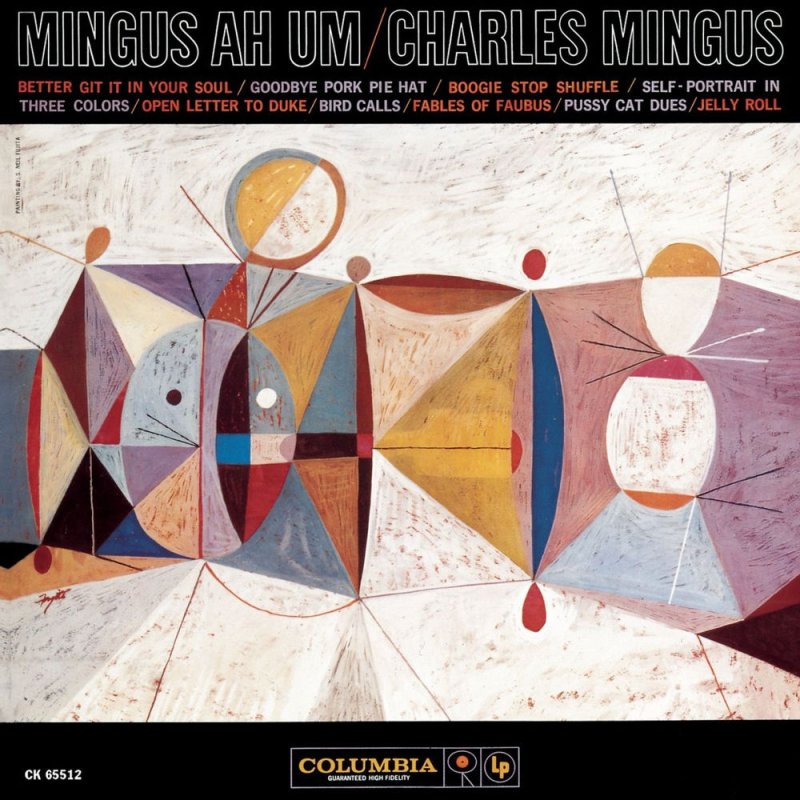
The first version arrived in 1959 on Mingus Ah Um, recorded in May of that year for Columbia Records. But the label censored the lyrics, so it remained an 8-minute and 13-second instrumental where Mingus’s double bass and Dannie Richmond’s drums weave an uneasy march, as if each note dragged the weight of bayonets. It wasn’t until October 1960 that the piece could voice its outrage: on Charles Mingus Presents Charles Mingus, released by the independent label Candid, Mingus recorded the vocal version, this time titled Original Faubus Fables due to contractual issues. There, alongside Eric Dolphy on saxophone and Ted Curson on trumpet, Mingus and Richmond trade shouts and whispers in a dialogue that dismantles the politician with cutting irony. A critic of the time called it a "classic black snub," where satire becomes a sharper weapon than any speech. What’s striking is that Mingus returned to this song again and again, tweaking verses here and there: in a 1975 recording, Richmond shouts, "Two, four, six, eight, Nixon knew all about Watergate!," proving the song was not just of the past but a mirror reflecting every new injustice.
From album

Mingus Ah Um
Charles Mingus · 1959 · Track 7
Details
Credits
Music Charles Mingus