The story behind
Everybody’s Jumpin’, according to DoReSol
The Everybody’s Jumpin’ by the Dave Brubeck Quartet is one of those tracks that grabs you from the first few bars: Eugene Wright’s bass weaves a melodic line that intertwines with Brubeck’s piano, while Joe Morello’s drums set a pulse that defies easy categorization. It’s neither a waltz nor a conventional 4/4, but rather a sway that flows between playfulness and hypnotism, as if the rhythm were telling a joke only the musicians understand. Recorded at the 30th Street Studio in New York City, the piece slips into the cracks of an album that, in 1959, dared to challenge the status quo: jazz could be mathematical without losing its soul.
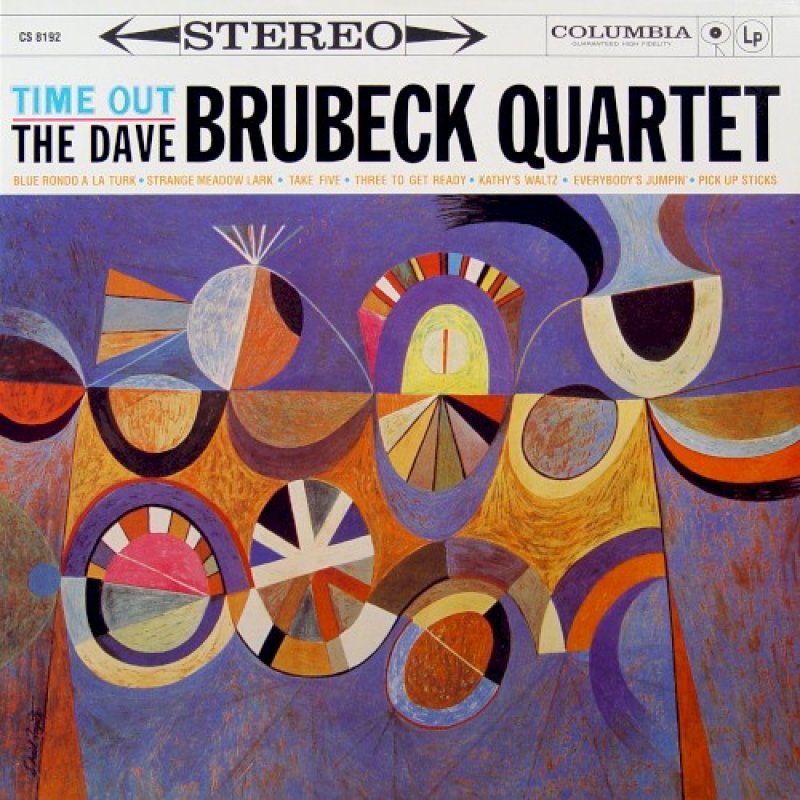
This record, Time Out, was born out of Columbia Records’ insistence on trying something different. The quartet had already spent years playing university clubs and touring the West Coast, but it was in the studio where they found the space to experiment. Everybody’s Jumpin’ is no exception: its structure plays with shifting accents, as if each instrument were telling its own story on the same stage. The result was an album that, in less than two years, sold over half a million copies and became the first jazz record to reach a million. Decades later, in 2011, the Recording Industry Association of America awarded it double platinum, but in 1959 what mattered was something else: proving that jazz could be popular without betraying its essence.
From album

Time Out
The Dave Brubeck Quartet · 1959 · Track 6
Details
Credits
Music Dave Brubeck