Chords in progress
We have not analyzed this song audio yet. Once it is ready, you will see the chord player synced with the video.
The story behind
E lucean le stelle (from "Tosca"), according to DoReSol
When you immerse yourself in *E lucean le stelle*, you encounter a piece that evokes a deep melancholy, a lament that seems to be born from the very fabric of the opera. This piece, extracted from the celebrated Tosca, is presented in the voice of Andrea Bocelli with an intensity that invites reflection. His interpretation, lasting 2:57, conveys a palpable vulnerability, as if each note were a contained sigh. What is interesting about this interpretation is how Bocelli, known for his versatility between classical and popular music, delves into such dramatic territory, demonstrating the breadth of his vocal and emotional range.
Andrea Bocelli's career, who was born in 1958, is a path of overcoming adversity and resounding success. After losing his sight at the age of twelve, his career took off when he won the *Newcomers* section at the 1994 Sanremo Festival. Since then, he has amassed an impressive discography, including thirteen studio albums, compilations, and eight complete operas, selling over 75 million records worldwide. This positions him as a benchmark in classical music, enabling this genre to reach massive audiences and integrate into popular culture in unprecedented ways. His foray into the *Best New Artist* category at the Grammy Awards in 1999 was a milestone, being the first time in a long time that a classical artist was nominated in that category. Furthermore, his collaboration with Celine Dion on *The Prayer* for the film The Quest for Camelot earned him a Golden Globe and an Academy Award nomination. His album Sacred Arias, moreover, set a Guinness World Record by simultaneously occupying the top three positions on the classical album charts.
From album

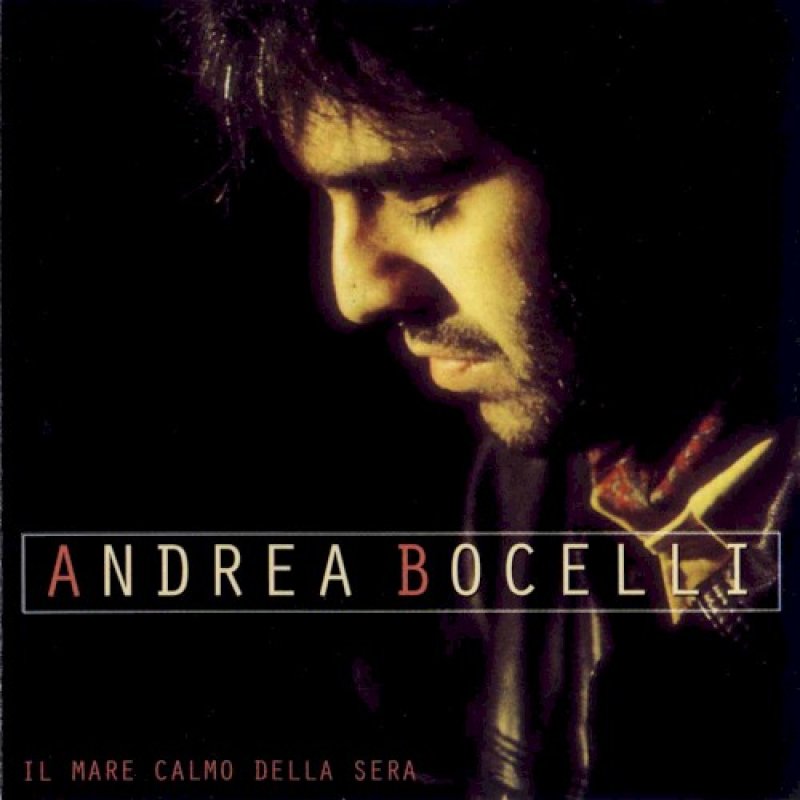
Il mare calmo della sera
Andrea Bocelli · 1994 · Track 10
Details