The story behind
Caruso, according to DoReSol
Caruso is not just a song: it is a suspended moment between life and the end, where words become a sigh. The lyrics, in Italian, paint an intimate scene: a man on the brink of death gazes at a young woman and feels he is drowning in her green eyes, like the sea of Naples. The line *"Te voglio bene assai ma tanto tanto bene sai"*—which can sound like love or deep affection—floats here between both meanings, as if the protagonist does not know, or does not want to know, where the affection breaks. There is no operatic drama in these lines, but rather the rawness of a man who, at the end, can only name what he feels without labels. The magic lies in how Lucio Dalla takes the figure of Enrico Caruso, that giant of opera who lived turbulent loves and failures, and turns him into an unadorned portrait: neither hero nor villain, just a man saying goodbye.
The song was born in Sorrento, that coastal town where Caruso spent his final days. The title itself is a nod to the place: *"Surriento"*, in Neapolitan dialect, sounds like home and farewell. Dalla did not invent a story: he wove fragments of the tenor’s life—his relationship with Dorothy Benjamin, his daughter Gloria, the rumors about his loves—with the same naturalness with which Caruso sang an aria. Recorded in 1994, it slipped into the album Dalla as an unexpected gem, without aiming to be an anthem or a commercial success. Yet its power lies in what it does not say: in how a line in Italian can resonate just as deeply on an opera stage as in any living room, where someone listens and feels that, for a moment, time stands still.
From album

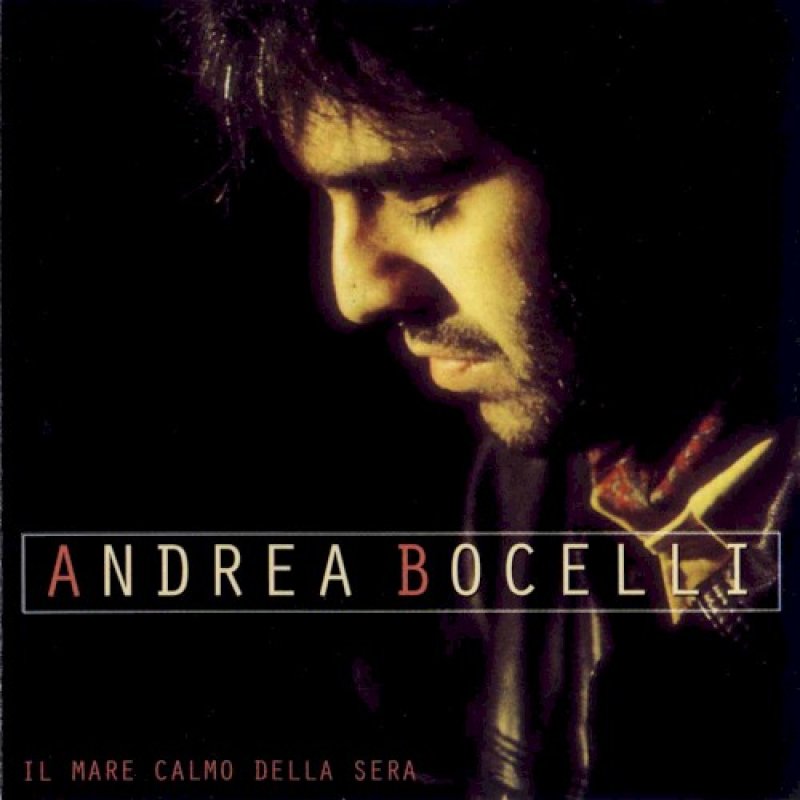
Il mare calmo della sera
Andrea Bocelli
Details
Credits
Lyrics Lucio Dalla
Music Lucio Dalla