Chords in progress
We have not analyzed this song audio yet. Once it is ready, you will see the chord player synced with the video.
The story behind
Dove siamo rimasti a terra nutless, according to DoReSol
There are songs that don’t sound like solid ground, and Dove siamo rimasti a terra nutless is one of them. At over six minutes long, the track unfolds like a map of sounds where each instrument seems to wander in a different direction, yet never loses its way. It’s not a waltz, not rock, not blues: it’s that place where time stretches and the notes intertwine in a sway that never quite settles. The voice of Vinicio Capossela moves with the same cadence as a narrator telling a story without haste, while the accordion and strings paint landscapes that fade away. What’s curious isn’t just the result, but how it was achieved: recorded at Officine Meccaniche by Mauro Pagani in 2005, the song feels as though it were shaped live, with layers that overlap without studio corrections. It’s as if the entire album breathes that air of an open workshop, where imperfection is part of the charm.
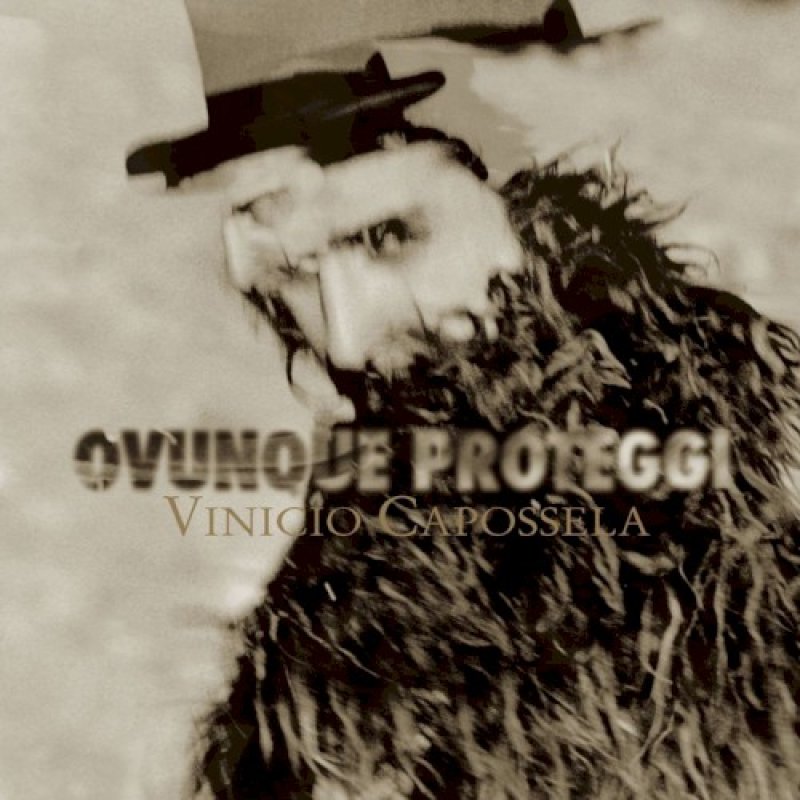
The album Ovunque proteggi, released in 2006 by Atlantic/Warner Music, arrived six years after its predecessor, Canzoni a manovella, yet there’s no trace of that gap in the sound. Its official debut took place in January 2006 at the Chiesa di San Carpoforo in Milan, though the recording had already been taking shape for months in a place where time seemed to stand still. Capossela, born in Hannover but raised between southern Italy and Emilia-Romagna, has always carried that blend of roots and fantasy in his music. Here, however, the landscape is broader: the accordion sounds like Irpinia, the strings echo Germany, and the lyrics—which remain untranslated—float between the everyday and the dreamlike. The song didn’t win awards by chance: in 2006 it claimed the Targa Tenco for best album, and the following year Mojo ranked it second on its list of the best albums in the world that year, just behind Savane by Ali Farka Touré. But beyond the accolades, what remains is the feeling of listening to something that doesn’t fit any mold, as if Capossela himself had invented a language to tell what has no words.
From album

Ovunque proteggi
Vinicio Capossela · 2006 · Track 9
Details