The story behind
Could You Be Loved, according to DoReSol
What stands out the most when listening to Could You Be Loved is that rhythmic shift that makes it move between reggae and disco without ever losing its Jamaican essence. The track kicks off with a bass and drum groove that seems to dance on its own, while the clavinet and piano give it a shine that isn’t typical of classic reggae. It’s as if Marley had taken the sound of 70s dance floors and blended it with the social message that always defined him. The middle section, where the backing vocals recite a snippet from Judge Not, is pure contrast: the rhythm stays the same, but the lyrics remind you that, after all, no one is free from judgment.
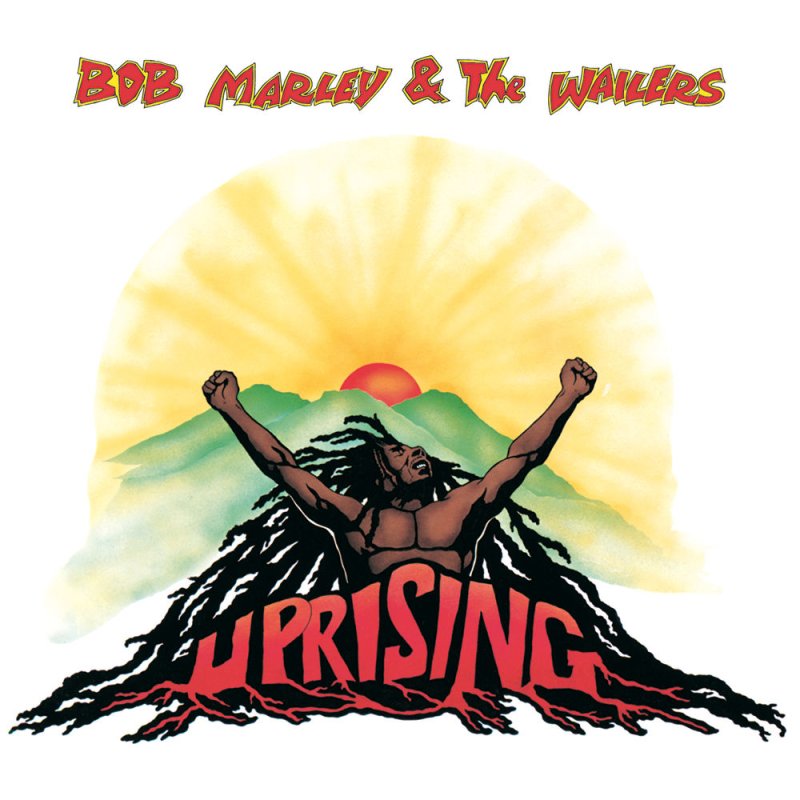
The song was born in 1979, during a flight where Bob Marley and the Wailers were testing ideas with guitars. By the time they recorded it in 1980, it was already unlike anything they’d done before: the Hohner Clavinet gives it that funky touch that breaks away from the traditional reggae mold, and the Brazilian cuíca—a percussion instrument that sounds like a squeal—adds an unexpected color. The album Uprising, where it appeared as a single, came out just as Marley was more openly exploring his Rastafari beliefs, but this particular song isn’t about religion: it’s about connection, that moment when a song makes your feet move without you even realizing it. In Europe, the track made a strong impact: in countries like France, Italy, and the United Kingdom, it reached the top 10, and in Hungary, Joe Cocker’s 1997 version topped the charts. Even in 2025, King Charles III chose it to open his Commonwealth Day radio broadcast, proving that after more than forty years, it remains an anthem that transcends borders.
From album

Uprising
Bob Marley & The Wailers · 1980 · Track 8
Details
Credits
Lyrics Bob Marley
Music Bob Marley