The story behind
Cordón de oro, according to DoReSol
Cordón de oro sounds like that tango you hear on a corner in Buenos Aires and suddenly you're dancing without realizing it. It has that milonga air that hooks you from the first measures, as if Aníbal Troilo —Pichuco—’s bandoneon were telling a story we already know but that always feels new. It’s not the typical ballroom tango: here the rhythm stretches, contracts, plays with silences as if it knew the listener would want to hum it the next day.
It was recorded in 1975, the same year Troilo stopped playing forever. There are no records of rehearsals or last-minute adjustments: the album was put together quickly, with the urgency that sometimes surrounds works that know they won’t last. The bandoneon sounds deeper than usual, as if the weight of the years had slipped between the notes. And that title, Cordón de oro, is no accident: it evokes something precious yet fragile, like a detail that slips through your fingers but remains etched in the memory.
From album

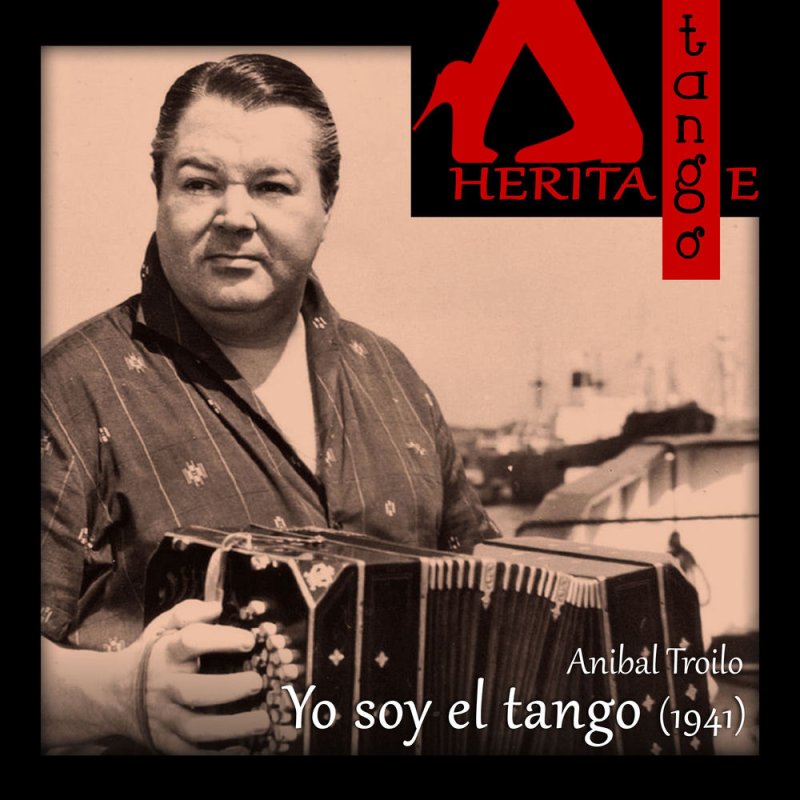
Yo soy el tango - 1941
Aníbal Troilo · 2004 · Track 13
Details