The story behind
Construção, according to DoReSol
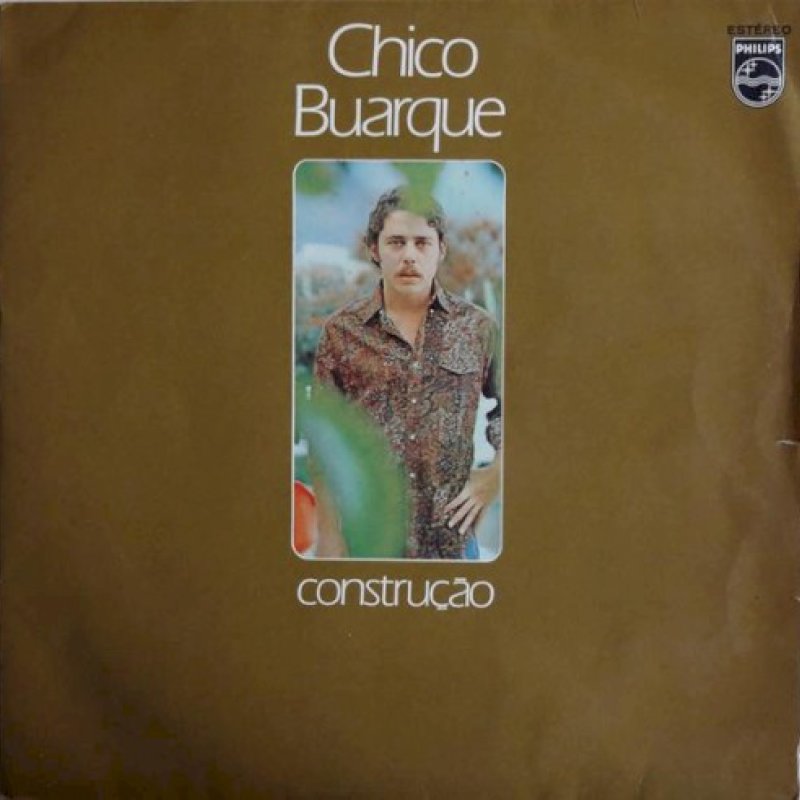
The structure of the song Construção, released in 1971, is based on a very particular wordplay. The lyrics are divided into three parts, and in the first two, each with 17 verses, almost the same phrases are repeated, but with a key modification: the last word of each verse is always a proparoxytone word. This resource, which Chico Buarque himself described as "pieces of a game on a board," creates a sense of circularity and mutation. The melody, handled by maestro Rogério Duprat, initially develops over two chords, although the underlying harmony is much more elaborate. The song narrates the story of a construction worker who dies at his job, from the moment he leaves home until his final fall, observing the events from different angles that change with each repetition of the lyrics.
Construção emerged at a time of great tension in Brazil, during the military dictatorship and under a climate of censorship. Chico Buarque had returned from Italy in March 1970, after living there since early 1969 to distance himself from political repression. The album of the same name, released that same year, delves into the composer's critical facet, addressing themes such as censorship and living conditions in the country. Despite the apparent social denunciation in Construção, Chico Buarque himself pointed out in a 1973 interview that the main emotion lay in the wordplay, and how by placing a human being within that "game," it ended up touching people's sensitive chords. The song has been recognized on several occasions: Rolling Stone magazine named it the "greatest Brazilian song of all time," and it also played a prominent role during the Opening Ceremony of the 2016 Summer Olympic Games.
From album

Construção
Chico Buarque · 1971
Details
Credits
Lyrics Chico Buarque
Music Chico Buarque