The story behind
Como la cigarra, according to DoReSol
When one delves into Como la cigarra, they encounter a story of resilience that, although written by María Elena Walsh in 1973, gained profound resonance in the following years. The words about being erased and disappeared, about going alone and crying to one's own burial, but continuing to sing, acquired particular weight in Argentina from 1976 onwards. The song, initially conceived by Walsh to reflect the ups and downs of her artistic career, transformed into a symbol of social and political resistance. Its structure, with simple arrangements by Santiago Chouny evoking an atmosphere close to guarania and an autumnal mood, creates a perfect backdrop for this survival narrative.
The interpretation by Mercedes Sosa, known as La Negra Sosa, is fundamental to understanding the significance of Como la cigarra. Her first recording in 1978, intended for the album Serenata para la tierra de uno, was banned by censorship. This led Sosa to re-record the album in Mexico, including the song, this time with Colacho Brizuela on guitar. During her exile, Sosa considered it a key piece, laden with the suffering of not being able to return to her country. A version of hers in Lugano, Switzerland, for a television program, became an iconic moment, also with the accompaniment of Brizuela. In 1982, her return to Argentina brought her back with this song, which once again became an anthem for those who were abroad and for the reunion with their homeland. Even León Gieco adopted it into his repertoire, and in 2010, together with Gilberto Gil, he sang it at the Obelisco in Buenos Aires in a celebration of the Argentine bicentennial.
From album

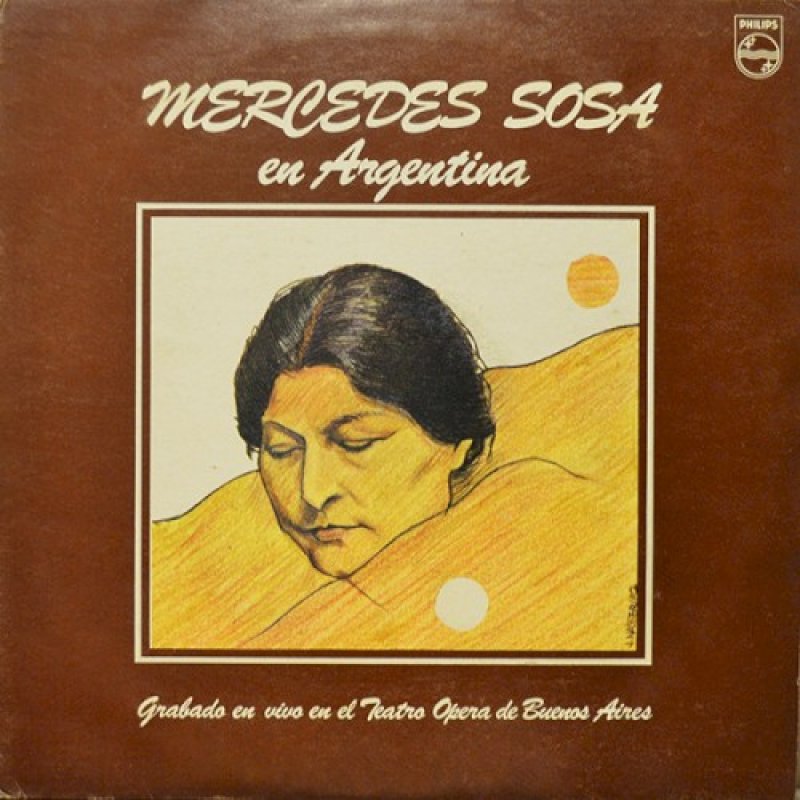
Mercedes Sosa en Argentina
Mercedes Sosa · 1982 · Track 9
Details
Credits
Lyrics María Elena Walsh
Music María Elena Walsh