The story behind
Clampdown, according to DoReSol
The song Clampdown, born from the minds of Joe Strummer and Mick Jones, was originally conceived as an instrumental piece titled Working and Waiting. Its definitive title, Clampdown, which resonates in its main lyric, became a term the composers adopted to define the oppression of the Establishment, especially those reactionary voices of the 1970s who clamored for government and police control measures against strikers, agitators, welfare recipients, football fans, and other groups perceived as a threat to the social, economic, and moral well-being of the United Kingdom. The lyrics, written by Joe Strummer, address the renunciation of youthful idealism and a call to youth to challenge the established order. It is suggested that the use of "blue and brown" colors in clothing alludes to workers' uniforms, integrating into the idea of "young believers" absorbed by the capitalist system, instructed by those who "work for the clampdown" and who "teach our twisted speech." Another interpretation points to the colors of the shirts, referencing the Blueshirts of 1930s Ireland and the Brownshirts of Nazi Germany. The song warns about the trap of the capitalist economic system, its work ethic, debt, power, status, and conformist lifestyle, culminating in a chorus that repeats "work" and "more work" while Strummer whispers "working for the clampdown," reinforcing Strummer's view of this threat to those caught in the modern wage system.
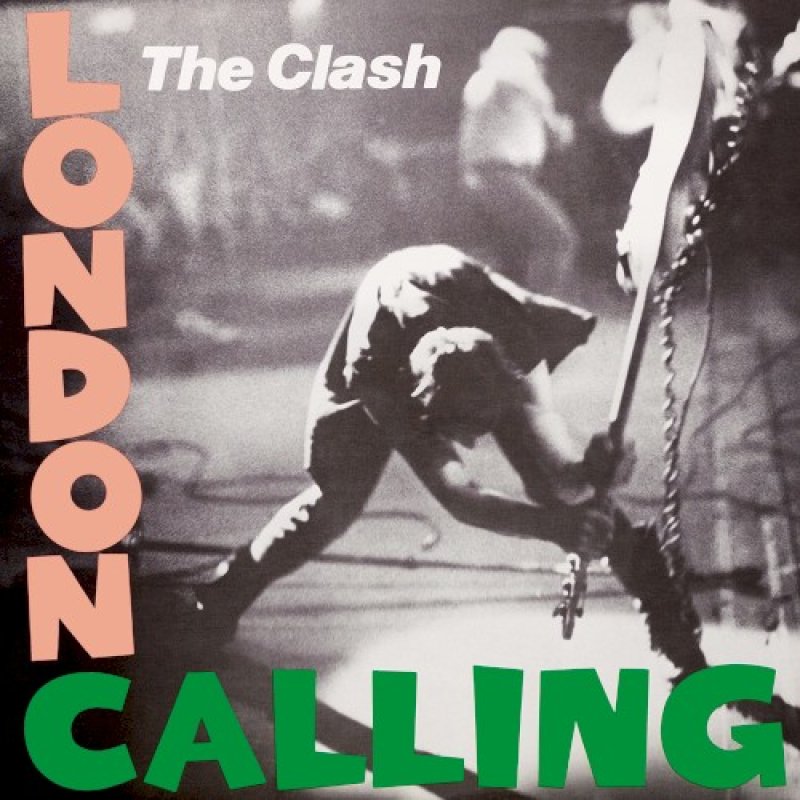
Clampdown was released as a single in 1980, accompanied by The Guns of Brixton, and had exclusive distribution in Australia, with some promotional copies in the United States. The recording of this piece, along with the rest of the album London Calling, took place between August and September 1979, with touch-ups in November, at Wessex Studios in London. The album, originally released as a double LP in the UK on December 14, 1979, by CBS Records, and in the United States and Canada in January 1980 by Epic Records, marked an evolution in The Clash's sound. Under the production of Guy Stevens, the band explored a fusion of their punk rock sound with influences from reggae, rockabilly, ska, New Orleans R&B, pop, jazz, and hard rock. Joe Strummer, who declared himself a socialist, used the song to point out how one can be trapped by the economic system, offering a warning against total surrender to "the clampdown." Bassist Paul Simonon shared how the job opportunities presented to them after secondary education, such as visits to power stations or naval shipyards, offered nothing exciting or meaningful, but rather seemed to limit their aspirations to manual labor. Strummer, unlike Simonon, had the possibility of a more conventional life, but perceived it as empty. The recording featured Bill Price as recording engineer.
From album

London Calling
The Clash · 1979
Details
Credits
Music Joe Strummer, Mick Jones