The story behind
Canto de Ossanha, according to DoReSol
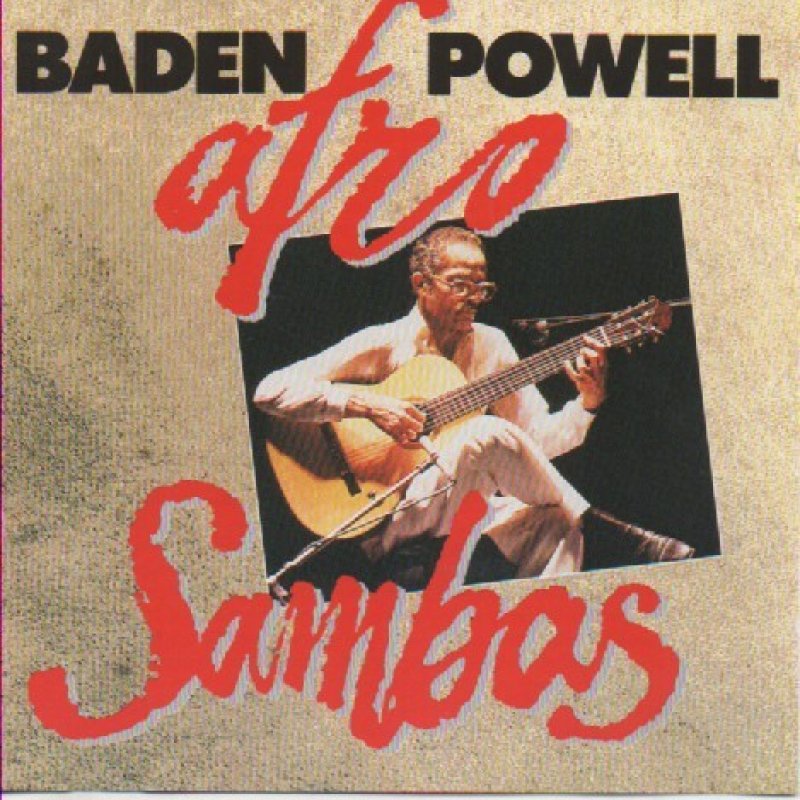
The song Canto de Ossanha, born from the pen of Vinicius de Moraes and the music of Baden Powell in early 1966, stands as a pillar of cultural syncretism between Africa and Brazil, with particular resonance in Bahia. This Afro-samba, recognized as the most widely spread and covered worldwide, was conceived from Baden Powell's fascination with recordings of candomblé chants and samba de roda. His immersion in these styles during a visit to Bahia enriched the composition, which also incorporated classical elements in its arrangements, such as a saxophone duo dialoguing with the rhythmic base, courtesy of Guerra Peixe. The song ranks ninth on the list of the 100 greatest Brazilian songs according to Rolling Stone Brasil.
In the context of candomblé, Ossanha is a central figure, possessor of the magical energy of plants, the axé. This relevance explains why Canto de Ossanha opens Os Afro-Sambas, the third album resulting from the collaboration between Baden Powell and Vinicius de Moraes. The lyrics by Vinicius de Moraes play with simple phrases that gain layers of meaning as they intertwine, exploring the dialectic between affirmation and negation to reflect life's constant complexity and transformation. The Yoruba mythology adds another dimension, narrating a rivalry between Ossanha and Xangô, which is reflected in the song's narrative and the album's sequence, where Canto de Ossanha gives way to Canto de Xangô. The recording was produced by Joachim-Ernst Berendt and Wadi Gebara Netto.
From album

Os afro-sambas
Baden Powell · 1966 · Track 2
Details