The story behind
Cachirulo, according to DoReSol
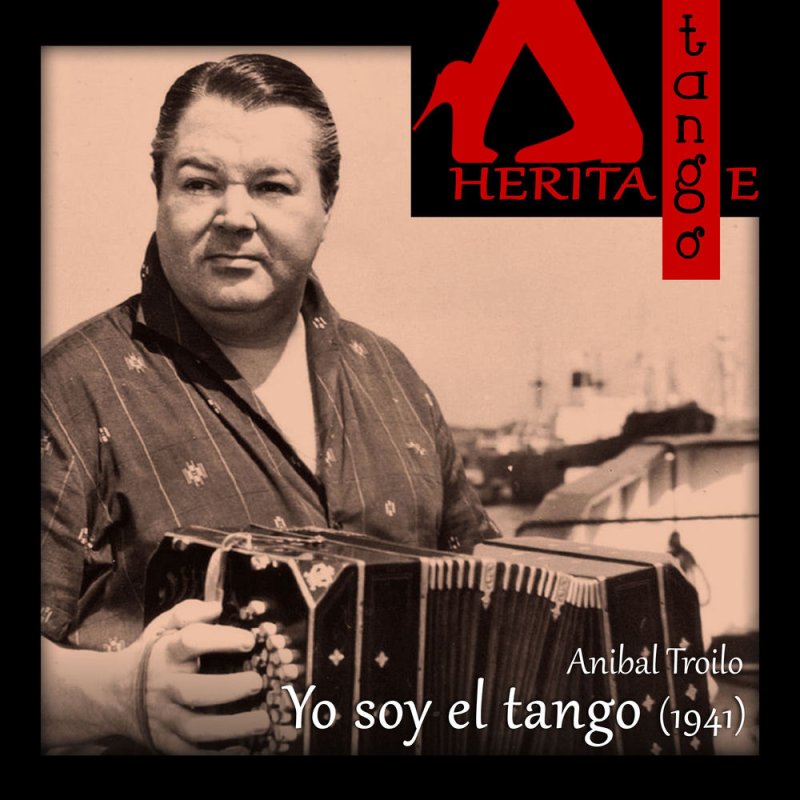
Cachirulo sounds like a sigh lingering in the air of Abasto. It’s one of those pieces that seem made to close a night of milongas, with the air of a confession that only the bandoneon of Aníbal Troilo —Pichuco— can convey. The melody has a cadence that doesn’t rush, as if each note breathes before falling into the next measure. It’s not a piece that strikes you; it envelops you, and in those 2 minutes and 34 seconds, there’s something that transcends time: a tango that sounds like a farewell without drama, a story told in a hushed voice.Troilo recorded it at some point in his maturity, when he had already spent decades treading the stages of Buenos Aires and had turned the bandoneon into an extension of his own voice.
Cachirulo wasn’t born from a commission or a fleeting trend: it emerged from that workshop of sounds that was his orchestra, where arrangements were refined between rehearsals until finding that balance between the intimate and the collective. There are no exact date records, but the piece is part of that handful of works that have survived the passage of years without losing an ounce of their essence. Perhaps that’s why it still sounds just as close today, as if every time you listen to it, Troilo winks at you from the other side of the record.
From album

Yo soy el tango - 1941
Aníbal Troilo · 2004 · Track 11
Details