The story behind
Antigua, according to DoReSol
The first time I heard Antigua on the album Wave, I was left with the feeling that the piano didn’t just accompany, but breathed. It’s one of those melodies that doesn’t sound like classic bossa nova, but rather like a sunset in Rio de Janeiro seen from afar: warm, yet with a lingering melancholy that never fades. The bassline, subtle yet present, gives it that air of controlled improvisation that makes each note seem casual, though it isn’t. The arrangement, with its strings and winds, doesn’t compete with Jobim’s voice but instead supports it like a soundscape that never imposes itself.
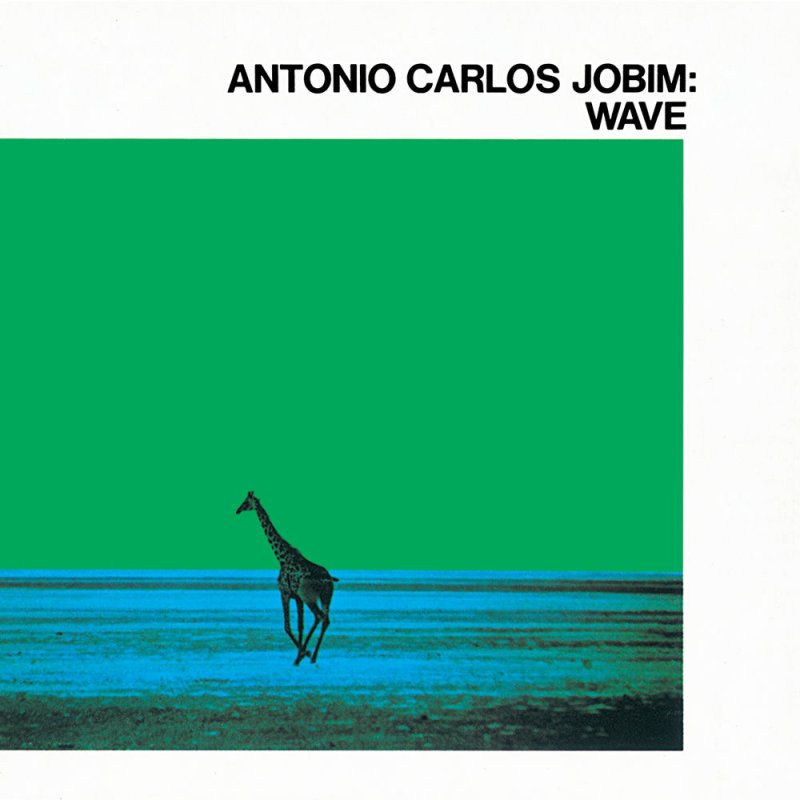
The album Wave was recorded in New York in 1967 with American musicians, something uncommon at the time for a Brazilian who was already a reference. Claus Ogerman handled the arrangements, and Rudy van Gelder captured the sound on tape just before studio recording techniques began to change radically. The cover, with its solarized photo of a giraffe in Amboseli National Park taken by Pete Turner in 1964, reflects the contrast between the exotic and the everyday that also lives in the music: the Brazilian and the American, the acoustic and the sophisticated, all in just over three minutes. The song itself, at 3:11, is like a long sigh: it begins softly, expands with the winds, and closes again without haste, leaving the impression that something was left unsaid.
From album

Wave
Antonio Carlos Jobim · 1967 · Track 9
Details