Chords in progress
We have not analyzed this song audio yet. Once it is ready, you will see the chord player synced with the video.
The story behind
All the Way, according to DoReSol
This song pulses to the rhythm of a goodbye that is never spoken aloud. All the Way sounds like a whisper lingering in the air, as if Billie Holiday knew each note was the last time she would try. Recorded in 1958, when jazz was no longer the center of her life but she still owned her voice, this track from Lady in Satin —her penultimate album in life— carries something of a confession recorded in half-light. It is no ordinary ballad: Ray Ellis’s arrangement wraps it in dense strings and a tempo that drags, as if time itself resisted moving forward. The production by Irving Townsend and engineering by Fred Plaut give it a matte sheen, as if the record had been captured in a borrowed studio where the echo of the corridors seeped between takes. It lasts three minutes and twenty-five seconds, yet in that brief span all the melancholy of someone who has nothing left to lose fits perfectly.
Billie Holiday was born in Philadelphia in 1915 and died in New York in 1959, but by 1958 she had already endured decades of ups and downs: from the brothels of Baltimore to the stages of Harlem, through fame and addiction. In the 1950s, her career was tied to Norman Granz and his label Clef Records, which later became Verve Records in 1956. Granz had reunited her with old companions from the 1930s, such as Teddy Wilson, but All the Way does not sound like a nostalgic reunion: it sounds like someone who no longer needs to prove anything. The album Lady in Satin was released in 1958 on Columbia Records, and though it was not a massive success at the time, today it is heard as a document of what remains when the voice breaks but the emotion does not. Her final recording, made in March 1959, came after her death, like an echo no one could stop.
From album

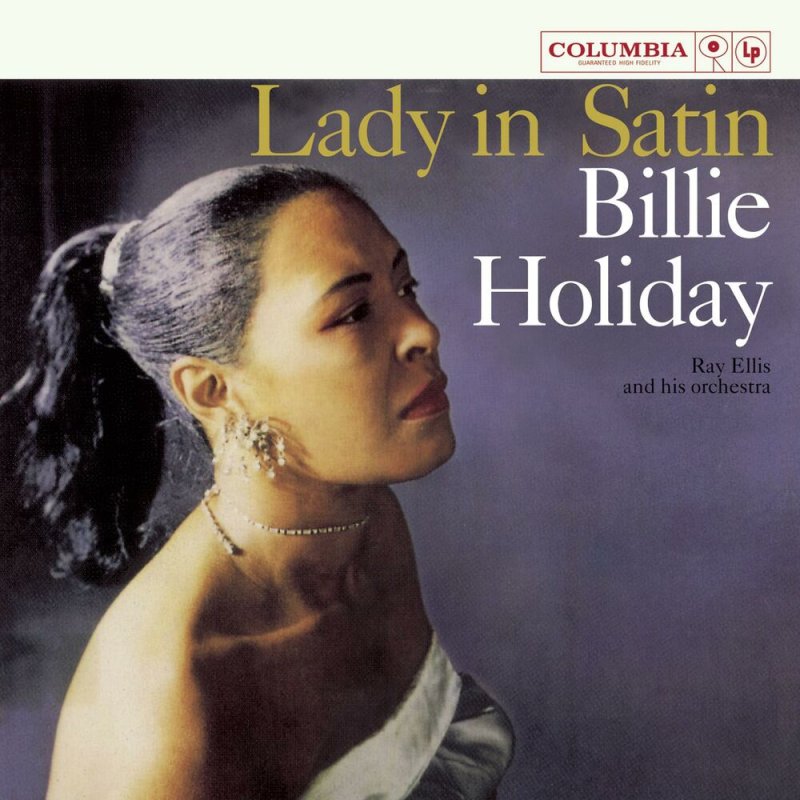
Lady in Satin
Billie Holiday · 1958 · Track 8
Details
Credits
Lyrics Sammy Cahn
Music Jimmy Van Heusen