The story behind
Ae-Au, according to DoReSol
The first time you listen to Ae-Au, the sound grabs you before the lyrics. It’s not a common ballad: the piano and guitar intertwine in a rhythm that seems to breathe, as if each note were calculated so the listener feels that mix of urgency and melancholy that only appears when something is born from a clear idea. Grignani doesn’t seek adornments here; the track moves forward with an economy of resources that makes it memorable effortlessly, as if the song already existed and he had merely discovered it. The result is a song that sounds like a spontaneous confession, yet with a structure that proves craftsmanship.
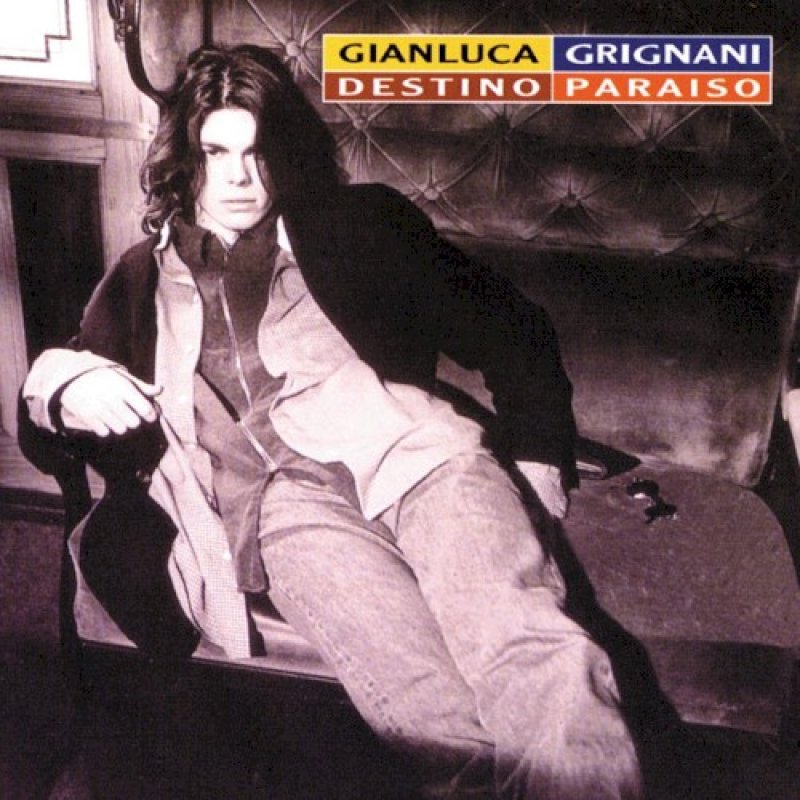
They recorded it in Italy in 1995, at a time when the artist didn’t yet know that the album would change his career. Gianluca Grignani, Massimo Luca, and Vince Tempera worked on an album that sold over six hundred fifty thousand copies in their country alone, later surpassing a million upon reaching South America, where they even released a Spanish version under the title Destino paraíso. The success earned him a Telegatto as Revelation of the Year in 1995, though the real detail lies in how Ae-Au fits into that context: not as just another hit, but as the heart of an album that spoke plainly about the concerns of a generation.
From album

Destinazione paradiso
Gianluca Grignani · 1995 · Track 10
Details