Chords in progress
We have not analyzed this song audio yet. Once it is ready, you will see the chord player synced with the video.
The story behind
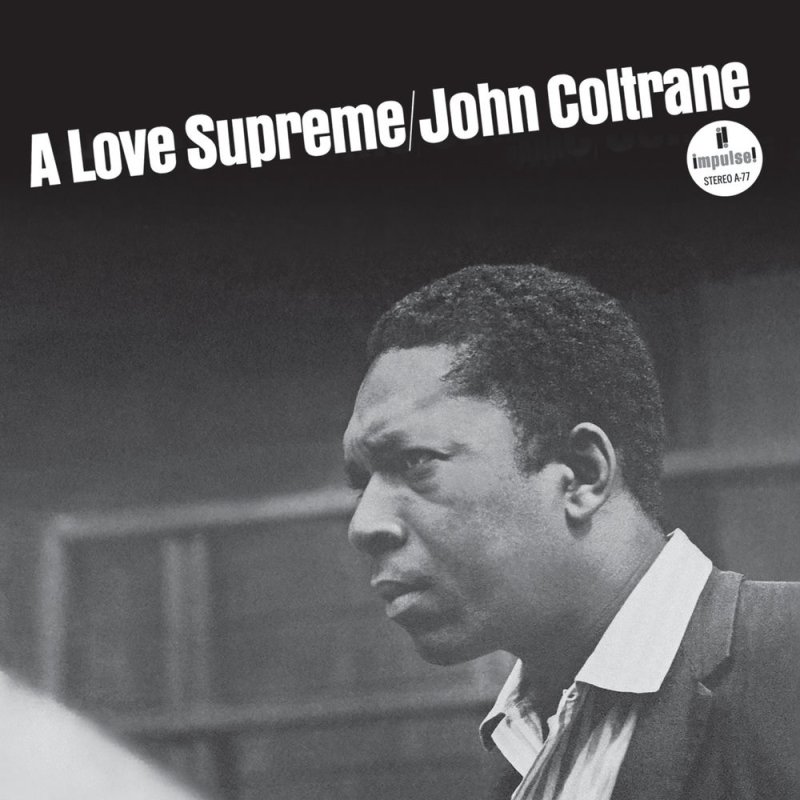
A Love Supreme, Part 3: Pursuance / A Love Supreme, Part 4: Psalm, according to DoReSol
There are songs that are not heard, they are lived. A Love Supreme is one of them. The two pieces that close this album —Pursuance and Psalm— are not just musical tracks: they are a two-act journey where John Coltrane's saxophone becomes a voice, a prayer, a breath. Pursuance begins with a rhythm that seems to chase something, as if each note were a step closer to what can no longer be named. The bass of Jimmy Garrison and the drums of Elvin Jones weave a net that does not let go, while McCoy Tyner on the piano draws chords that rise and fall like waves. This is not jazz of scattered notes: it is a dialogue where each instrument responds, intertwines, gets lost, and finds its way back. The second part, Psalm, shifts the rhythm toward something closer to ecstasy. Coltrane plays as if reading a sacred text aloud, phrasing each syllable with a precision that hurts. There are no adornments here: only music as an act of faith, as if the saxophone were a microphone facing the divine.
Recorded in a single day —December 9, 1964— at Van Gelder studios in Englewood Cliffs, New Jersey, this album was born out of urgency. Coltrane had been exploring sound for years, but A Love Supreme was different: he wasn't just seeking innovation, he wanted to capture something he already felt inside. The quartet that accompanied him —Tyner, Garrison, and Jones— had worked together before, but here everything fit together like never before. The album was released in January 1965 under the Impulse! label, and, unexpectedly, it became a phenomenon. It didn't take long for it to receive a Grammy nomination for Best Jazz Instrumental Album in 1966, but the real prize was another: the feeling that, upon listening, something in the listener changed forever. Coltrane passed away in 1967, but A Love Supreme remains intact, like a bridge between the human and the eternal.
From album

A Love Supreme
John Coltrane · 1965 · Track 3
Details
Credits
Music John Coltrane