Chords in progress
We have not analyzed this song audio yet. Once it is ready, you will see the chord player synced with the video.
The story behind
22, Acacia Avenue, according to DoReSol
22, Acacia Avenue kicks off with a sharp punch: Clive Burr's drums hit a rhythm that sinks into your chest, while Steve Harris's bass weaves a melodic line that seems to drag you into a dark alley. It's no ordinary track: the song tells the story of a girl who lives at that address, a place that in the imagination of British heavy metal became a symbol of mystery and danger. Harris, who had already proven his knack for building atmospheres with sticky bass lines, carries the weight of the narrative here, using a tempo that oscillates between urgency and calculated calm. Dave Murray's solo enters like a whisper before exploding into notes that cut through the air, and Bruce Dickinson's voice —in his first album with the band— rises with a tone that wavers between warning and fascination.What makes this track special isn't just its structure, but how it was recorded.
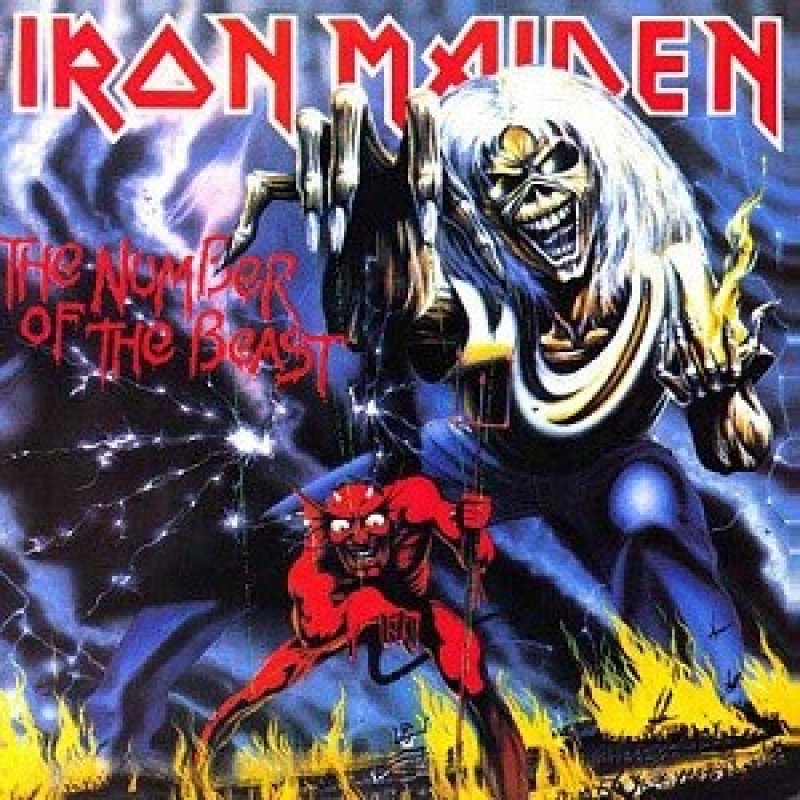
Engineer Martin Birch —who had already worked with the band on their previous albums— managed to capture a raw yet polished sound, where each instrument has its space without losing cohesion. The album, The Number of the Beast, was released in March 1982 under the labels Harvest and Capitol Records in the United States, and a week later by EMI in the United Kingdom. By then, Iron Maiden had already made it clear that their music needed no concessions: the record climbed to the top spot on the British charts and entered the top 40 of the Billboard 200, something unprecedented for them at the time.
22, Acacia Avenue wasn't just another track: its dark imagery-laden lyrics sparked controversy in the United States, but also cemented the band as a force that refused to be tamed.
From album

The Number of the Beast
Iron Maiden · 1982 · Track 4
Details
Credits
Lyrics Steve Harris, Adrian Smith
Music Steve Harris, Adrian Smith