


🇨🇱 CL · Chile · Chapter 5 of 6
Chilean Rock and Pop: The Generation that Spoke from Within (1965–2000)
Chilean music under the dictatorship had two faces: the one that sang from exile and the one that sang from within. The New Song was the most visible face of the internal resistance — but it was not the only one. While popular song artists navigated the margins of the space left by censorship, a generation of young people from the neighborhoods of Santiago was building something different: a Chilean rock with its own language, its own attitude, and its own way of saying what could not be said directly.

The results were extraordinary: two of the most important albums in the history of Latin American rock, "Alturas de Macchu Picchu" by Los Jaivas and "Pateando Piedras" by Los Prisioneros — were recorded in Pinochet's Chile or in the exile that Chile produced. The repression did not kill Chilean rock. It forced it to be sharper, more intelligent, and more urgent than it would have been in freedom.
Los Jaivas: The Andean Rock that Reached the Ruins
Los Jaivas were born in Viña del Mar in 1963 — before the coup, before the Nueva Canción, before anyone in Chile talked about progressive rock — as a group of friends who wanted to do something that didn't exist yet: mix electric rock with the instruments and music of the Andes, with pre-Columbian cosmology, with the poetry of Pablo Neruda, with everything Latin America had to offer to anyone who wanted to listen.
What they built in the following decades — migrating to Argentina when the Chilean dictatorship arrived, then to Europe when the Argentine dictatorship arrived, playing in community as a nomadic family throughout the continent — was the most ambitious artistic project of Chilean rock: a music that was simultaneously primitive and sophisticated, indigenous and avant-garde, local and universal.
Their definitive album arrived in 1981 from Paris: Alturas de Macchu Picchu is considered one of the creative peaks of Chilean and continental progressive rock, a masterful fusion that combines the poetry of Pablo Neruda with an innovative sound language, integrating synthesizers, rock, and the richness of Andean instruments.
The idea was not from the band: the Peruvian producer Daniel Camino proposed to Los Jaivas to set Neruda's homonymous poem to music — included in the Canto General of 1950 — as part of a broader audiovisual project. From Los Jaivas' "yes" to the producer to the final edition, nine months passed. The project included the presentation by Mario Vargas Llosa and joint broadcast on Peruvian and Chilean television.
The result is a thirty-seven-minute conceptual album that takes Neruda's poem about the Inca ruins — his meditation on death, history, and deep America — and turns it into orchestral rock music that sounds as if Andean instruments and synthesizers had always existed together. The song "Sube a nacer conmigo hermano" — the most famous verse of the poem — became one of the most beloved pieces of Chilean rock of all time.
Los Jaivas took all the influence of the progressive and psychedelic music of the hippie movement and mixed it with music of Latin American identity, particularly Chilean, Bolivian, and Peruvian, achieving a sound photograph of pre-Columbian culture.
Los Jaivas remain active. In 2025 and 2026, they celebrated the 45th anniversary of Alturas de Macchu Picchu with concerts at the National Stadium, rescuing unreleased compositions from the seventies. The music they recorded in Paris in 1981 remains the absolute reference of Chilean rock to the world.
Los Prisioneros: The Voice of the Leftovers
If Los Jaivas looked up — towards the Inca ruins, towards the Andes, towards NerudaLos Prisioneros looked down: towards the peripheral neighborhoods of Santiago, towards the underfunded public schools, towards the poor youth whom the dictatorship and the neoliberal economic model had systematically left out of any promise of a future.
Formed in San Miguel, south of Santiago, Jorge González, Claudio Narea, and Miguel Tapia began making music in a Chile marked by dictatorship, and their first albums managed to circulate before the regime fully grasped the edge of their lyrics.
"La Voz de los '80" (1984) — their first album, recorded on cassette with an initial run of a thousand copies — was the announcement: new wave and ska at the service of lyrics describing the alienation, poverty, and anger of a generation that Pinochet's Chile had promised to leave behind. These first thousand cassette copies are now considered cult objects of Chilean rock.
"El baile de los que sobran" — included in their second album Pateando Piedras (1986) — was their most important and enduring song: the description of the young people whom the educational and economic system left out, those who did not enter university, those who did not get the promised job, those who were left dancing alone on the sidelines while others moved forward. It was the most direct possible denunciation of Pinochet's neoliberal model, sung with an irresistible melody that made it play on the radio without censorship being able to completely prevent it.
In October 1988, in Mendoza, Argentina, Sting appeared backstage during an Amnesty International concert with a "No" badge on his shirt and commented that he had a cassette of La voz de los 80 received as a gift. Thirty thousand people had shouted slogans against Pinochet outside. The songs of Los Prisioneros had crossed borders before the power finished understanding them.
The tour of La cultura de la basura was interrupted by official censorship after González publicly declared that he would vote No in the 1988 plebiscite, forcing them to leave Chile and tour South America.
"We Are Sudamerican Rockers" — recorded for the Latin American version of that album — was the first Chilean music video broadcast by MTV Latino in 1993: the peripheral rock of San Miguel reaching the most-watched video channel on the continent. "Tren al sur" and "Estrechez de corazón" completed the canon of a group that Rolling Stone Chile placed three times among the best Chilean albums of all time.
La Ley: Chilean Rock to the World
La Ley — formed in Santiago in 1987 — was the band that took Chilean rock further internationally in the nineties: a more polished sound, closer to Anglo-Saxon alternative rock, with international productions and a vocalist Beto Cuevas — with exceptional stage presence.
Their album Uno (1998), produced in Los Angeles, reached the American and European markets and earned them Latin Grammy nominations. "Mentira", "El duelo" and "Aquí" were their best-known songs outside of Chile. La Ley demonstrated that Chilean rock could compete in the international market without losing its identity — although the identity they brought to the world was more universal and less specifically Chilean than that of Los Prisioneros or Los Jaivas.
The New Chilean Pop: The Post-Dictatorship Generation
While Los Prisioneros were making the most political rock of the dictatorship, another generation of Chilean artists was building a different response to authoritarianism: not denunciation but pleasure, not anger but the joy of existing as a young person in a present that the regime tried to control completely.
The New Chilean Pop — with groups like Electrodomésticos, Aparato Raro, and the more personal proposal of Álvaro Henríquez before Los Tres — proposed, according to its own protagonists, a Chile without repression, without deaths, and without dictatorship. It did not dwell on the "No Future" but rather envisioned a different and better future in which one could be young without suffering the reality they were living.
The Three: The Perfect Synthesis
The Three — formed in Concepción in 1988 by Álvaro Henríquez, Roberto Lindl, and Francisco Molina — were the band that best synthesized everything Chilean rock had learned in three decades: cueca and bolero mixed with grunge and punk, lyrics of extraordinary colloquial poetry, a sound that was unmistakably Chilean and completely contemporary at the same time.
Their album La Espada & La Pared (1995) is Los Tres's album closest to the international mainstream while remaining deeply local: "La espada & la pared", "Cerro Alegre", "No es cierto" are songs that sound like Chile in a way that no other band of the period achieved.
Álvaro Henríquez — the central composer of the group — has a capacity for melody and poetic imagery that places him among the best Spanish-language songwriters of his generation.
Congress: The Symphonic Rock That No One Exported
Congress — formed in Quilpué in 1969 — deserves special mention as the group that most deeply explored the fusion between rock, jazz, and Latin American music before Los Jaivas did so with greater international visibility. Their album Congress (1971) and their recordings from the eighties are documents of a musical sophistication that Chilean rock rarely achieved again.
Editorial note: "The Dance of Those Left Out" was written by Jorge González to describe the young people of San Miguel who were left out by the system. Forty years later, in October 2019, when Chile erupted in the largest social uprising in its history since the end of the dictatorship, that song was heard in all the squares of the country. The high school students who triggered the outbreak by jumping the subway turnstiles sang a song written before they were born about a reality that remained theirs. That is what makes a song last: not nostalgia but relevance. When the injustice it describes has not disappeared, the song cannot disappear either.
10 · 2 en DoReSol
Top 10 of Chilean Rock and Pop
Alturas de Macchu Picchu (album)
Los Jaivas · 1981
The most important album of Chilean rock. Neruda set to music with progressive rock and Andean instruments from Parisian exile. Pre-Columbian America turned into symphonic rock.
El baile de los que sobran
Los Prisioneros · 1986
The anthem of those marginalized by the system. Written under dictatorship, sung during the 2019 uprising. The song that proved forty years do not age a real injustice.
Sube a nacer conmigo hermano
Los Jaivas · 1981
Neruda's most famous verse turned into Chile's most beloved rock song. The bridge between literary poetry and popular music in its most perfect form.
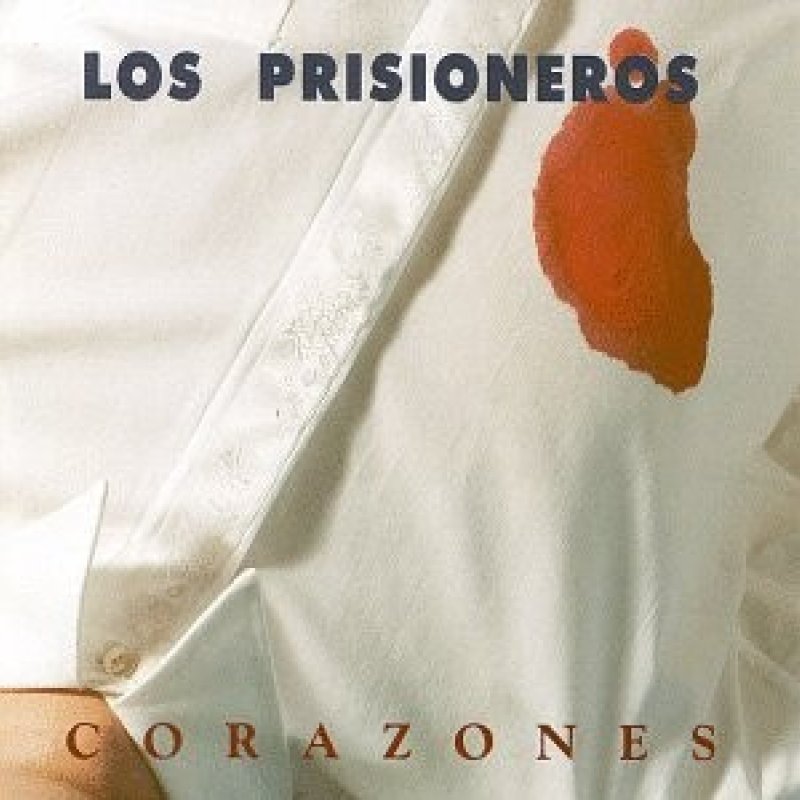
Tren al sur
Los Prisioneros · 1990
The nostalgia of southern Chile from the north of Santiago. The most beloved travel song of Chilean rock and one of the first Chilean music videos on MTV Latino.
The Voice of the '80s
Los Prisioneros · 1984
The first cassette album of a thousand copies that became a cult object. The announcement that Chilean rock had something unique and urgent to say.
We Are Sudamerican Rockers
Los Prisioneros · 1993
The first Chilean music video on MTV Latino. The peripheral rock of San Miguel reaching the most-watched video channel on the continent. Latin American identity as a flag, not as an apology.
Cerro Alegre
Los Tres · 1995
The neighborhood of Valparaíso turned into a song. Los Tres in their most specifically Chilean and most universally beautiful version at the same time.
All Together
Los Jaivas · 1972
The hippie anthem of primitive Chilean rock before exile. The song with which Los Jaivas built their collective identity and their philosophy of community life.
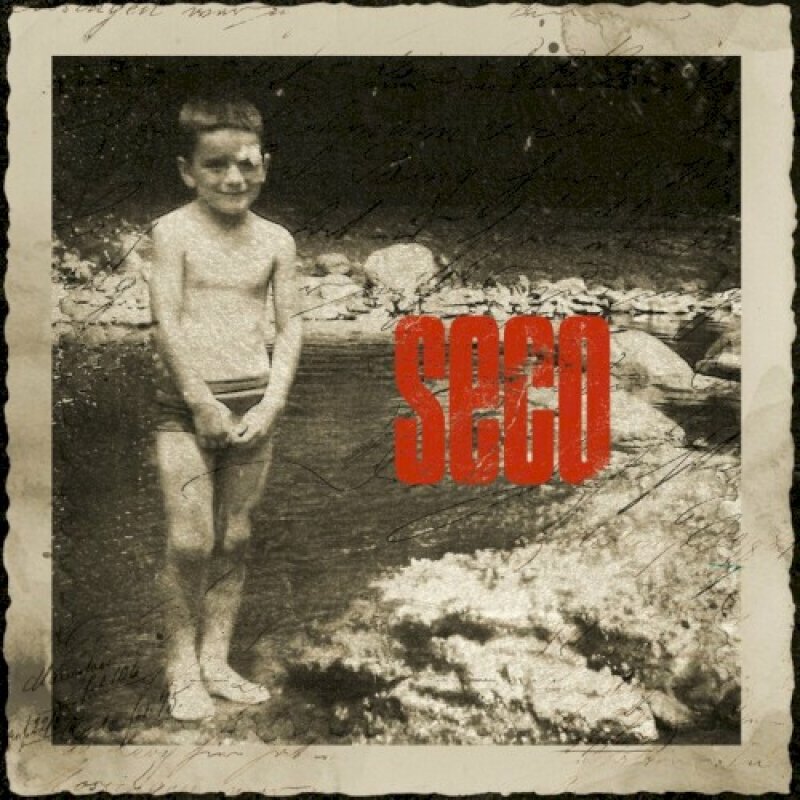
Mentira
Ricardo Arjona · 2025
Chilean rock in its most international version. La Ley demonstrating that Santiago could sound in Los Angeles without losing the accent.
La espada & la pared
Los Tres · 1995
Álvaro Henríquez at his creative peak: cueca and grunge in the same song, the colloquial poetic image taken to the limit, adult Chilean rock looking at itself in the mirror.
Next and last chapter — Series Chile: The 21st Century — Mon Laferte, Camila Moreno, Gepe and the contemporary Chilean scene speaking to the world from the Mapocho River.
The full series
Chile
Nueva canción, Chilean rock, cueca, Violeta Parra and her legacy. A country reinventing itself by singing.
-
CAP 01
🇨🇱 Ch 01
Traditional Music and Folklore: The Three Roots of a Long Country (16th–20th Centuries)
Chile is the longest country in the world: 4,300 kilometers from north to south, from the Atacama Desert — the driest on the planet — to the Patagonian channels and Tierra del Fueg
-
CAP 02
🇨🇱 Ch 02
Violeta Parra: The Founder (1917–1967)
There is a comfortable and mistaken way to remember Violeta Parra: as the lady who sang Chilean folklore and wrote "Gracias a la Vida". It is a reduction that turns her into an obj
-
CAP 03
🇨🇱 Ch 03
The New Chilean Song: The Movement the World Heard After the Coup (1965–1973)
In 1970, something happened that had never happened before in the history of Latin America: a socialist government came to power through democratic elections. **Salvador Allende**
-
CAP 04
🇨🇱 Ch 04
The Exile and the Resistance: Chilean Music Outside Chile (1973–1990)
On September 11, 1973, when the Chilean Air Force planes bombed the La Moneda Palace and General Augusto Pinochet took power, Chilean popular music split in two: the one that remai
-
CAP 05 you are here
🇨🇱 Ch 05
Chilean Rock and Pop: The Generation that Spoke from Within (1965–2000)
Chilean music under the dictatorship had two faces: the one that sang from exile and the one that sang from within. The New Song was the most visible face of the internal resistanc
-
CAP 06
🇨🇱 Ch 06
The 21st Century: Chilean Music that Speaks to the World (2000–today)
On October 18, 2019, high school students in Santiago began to massively jump the metro turnstiles to protest against a thirty-peso fare increase. What started as student evasion t
You might also like
3 articles picked by editorial similarity


