Chords in progress
We have not analyzed this song audio yet. Once it is ready, you will see the chord player synced with the video.
The story behind
You’ve Changed, according to DoReSol
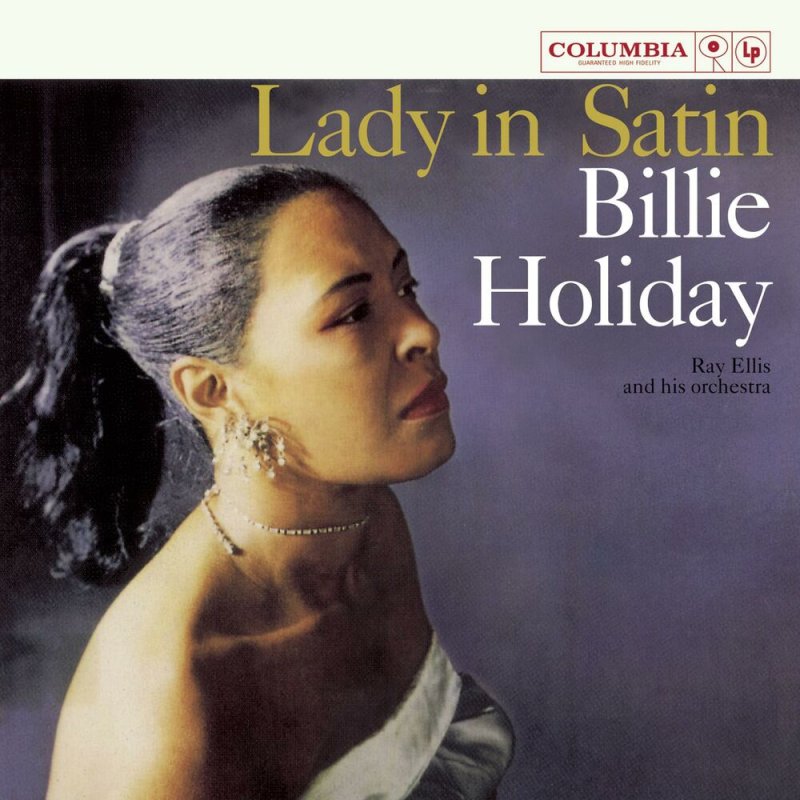
The first time you listen to You’ve Changed, the chromaticism of the melody hooks you: it descends note by note like a sigh that never recovers. It’s not just a simple chord change; it’s a slow, deliberate fall that gives the song an air of resignation that Billie Holiday turned into something intimate and universal. The lyrics, written by Bill Carey over music by Carl Fischer, speak of a love that is no longer what it once was, but the magic lies in how Lady Day’s voice — recorded in 1958 for Lady in Satin — gives form to that melancholy without slipping into drama. The result is a version that sounds like a farewell, but without shouting: just the weight of someone who knows things will never be the same again.
The original recording of the song, however, was made by Harry James & His Orchestra in 1941 with Dick Haymes on vocals, but it was Billie who later gave the song a new meaning years afterward. By then, her career had already spanned decades, and Lady in Satin would be her penultimate album in her lifetime, produced by Irving Townsend and recorded at Columbia Records studios with Fred Plaut handling the engineering. The album was released in 1958, when Holiday had already moved beyond the small combos of Norman Granz — her label in the 1950s — and was working with more elaborate arrangements. The version of You’ve Changed lasts 3:20, long enough for every note of the piano and double bass to paint that atmosphere of inevitable endings. It’s not a song that seeks chart success — in 1954, Connie Russell had briefly charted on the Billboard with her own version — but a song that lingers in the memory for how it sounds when sung by someone who lived it.
From album

Lady in Satin
Billie Holiday · 1958 · Track 7
Details
Credits
Lyrics Bill Carey
Music Carl Fischer