The story behind
Un'avventura, according to DoReSol
What makes *Un'avventura* special is how it takes a love story that seems ephemeral, one of those summer flings, and transforms it into something that projects as lasting, like a lifelong story. Musically, it presents itself as a *rhythm and blues* with a very particular Italian touch, achieving a balance between a catchy melody and a powerful rhythm. Starting as an easy-listening ballad, the song evolves from the second verse towards a more marked *rhythm and blues* sound, with horn arrangements that give it a very defined identity.
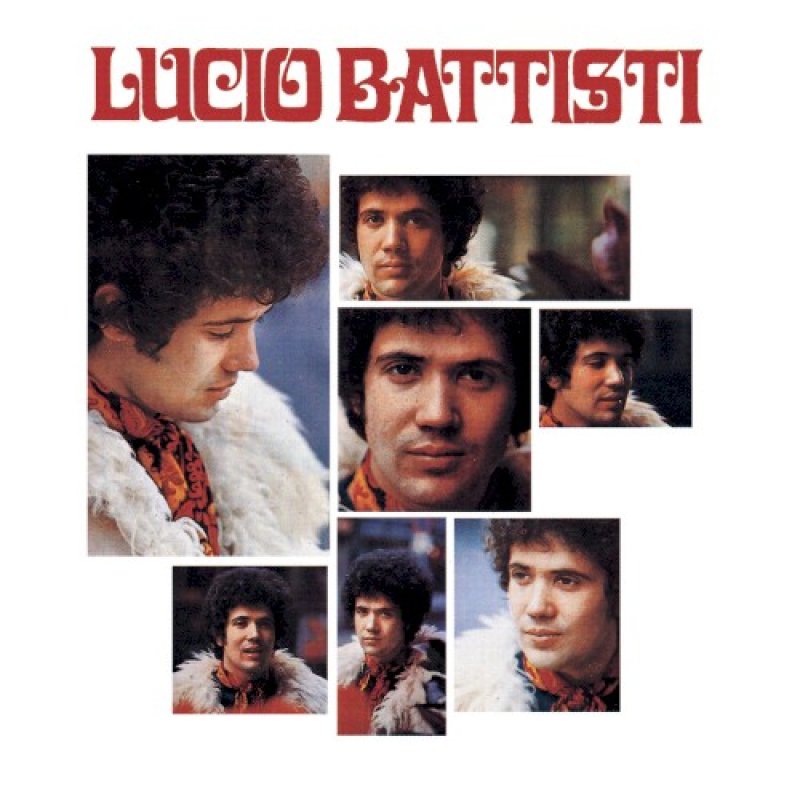
This track marked a key moment for Lucio Battisti, as it was his debut as a performer at the prestigious Festival di Sanremo in 1969. Not only that, but he shared the stage on that occasion with Wilson Pickett, a collaboration that came about at the suggestion of Ezio Leoni, who at the time managed the Ri-Fi record label, the Italian distributor of the catalog of Atlantic Records, Pickett's label. For Pickett's version, the recording featured renowned musicians such as Billy Cobham on drums and Ernie Royal on trumpet. The song was officially released on January 31, 1969, and shortly after was included on Battisti's first album, titled Lucio Battisti. Lyricist Mogol, who collaborated on the lyrics, has such a strong connection to the song that he even named his yacht "Un'avventura". Later, in 1987, the piece was part of the soundtrack for the film Il grande Blek by Giuseppe Piccioni. And in 2019, a film with the same title was produced, directed by Marco Danieli, where the protagonists, Michele Riondino and Laura Chiatti, performed songs by Mogol and Battisti, including this one.
From album

Lucio Battisti
Lucio Battisti · 1969
Details
Credits
Lyrics Mogol
Music Lucio Battisti