The story behind
The Last Resort, according to DoReSol
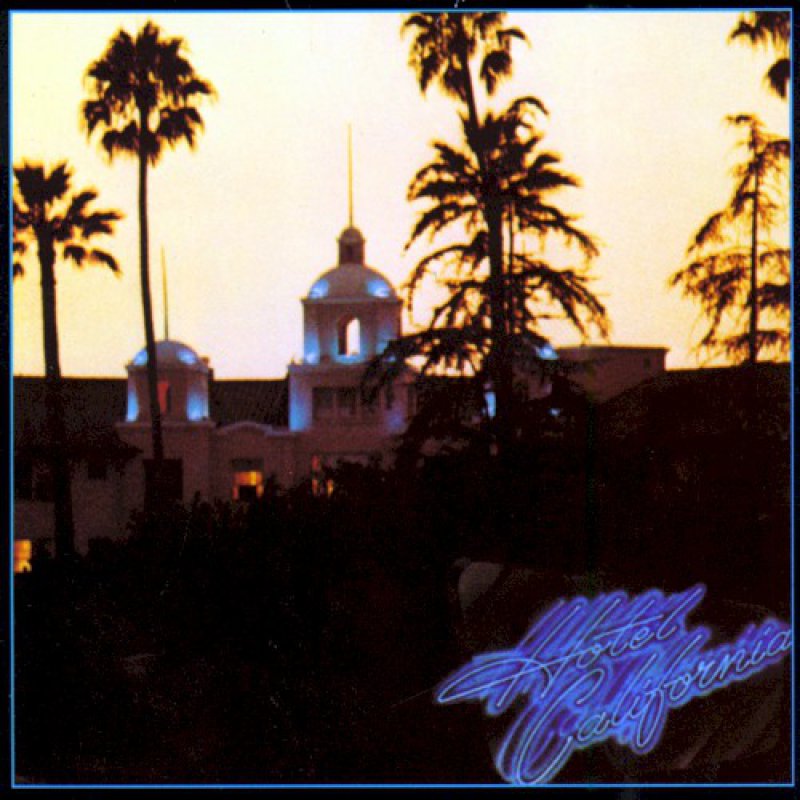
There are songs that, when played, invite you to reflect on the world we inhabit. The Last Resort, by Eagles, is one of them. Composed by Don Henley and Glenn Frey, the piece delves into the idea of how human ambition and industrial progress end up eroding the most beautiful places. Henley himself shared that his interest in the environment was an important driver for writing it, feeling that humanity is unique in its capacity to damage its surroundings. Frey described it as Henley's "masterpiece," highlighting how he managed to capture an epic story that encompassed the ecological concerns they were exploring on the album Hotel California. Henley recalled reading about the exploitation of land in the western United States by mining, logging, and oil interests, which fueled the song's narrative.
The recording of The Last Resort took place at Criteria Studios in Florida. However, the process was not straightforward, as in an adjacent studio, Black Sabbath was also working on their album Technical Ecstasy. The constant noise from the other band forced Eagles to repeat the song's take on several occasions. The final result, with a duration of almost eight minutes, was originally released on the album Hotel California on December 8, 1976, and later as the B-side of the single Life in the Fast Lane in May 1977. Critics have pointed out that the song updates the theme of Joni Mitchell's Big Yellow Taxi, but with a more desolate tone. It has been interpreted as a critique of the free market economy and the idea of a "paradise" crumbling under greed, a pessimistic reflection on the history of America that, according to some, connects the previous ideas of the album Hotel California, culminating in a vision of self-destruction and creative exhaustion.
From album

Hotel California
Eagles · 1976
Details
Credits
Music Don Henley, Glenn Frey