The story behind
The Continuing Story of Bungalow Bill, according to DoReSol
The story behind The Continuing Story of Bungalow Bill is a fascinating account of how a personal experience is transformed into art. The song, written by John Lennon, was inspired by an incident that occurred in India, at the ashram of Maharishi Mahesh Yogi. There, a young American named Richard A. Cooke III, nicknamed Rik, was visiting with his mother. According to accounts, Rik had participated in a tiger hunt and, after felling one, posed proudly for a photo. Lennon, present at the location, reacted with skepticism to the action, questioning the necessity of such an act. This confrontation, marked by a sarcastic tone on Lennon's part, gave rise to the song's lyrics, which seek to mock the bravado and unthinking attitude he perceived in Rik. Yoko Ono's participation in the lead vocals is a distinctive detail, being the only time someone outside of The Beatles had that opportunity on one of their recordings, performing the line "Not when he looked so fierce".
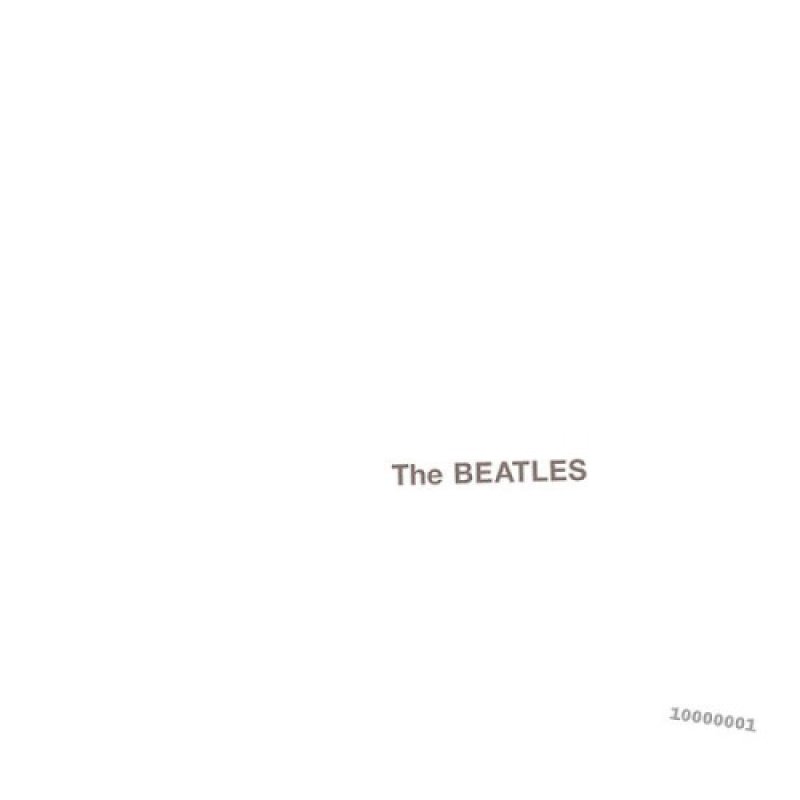
The recording of The Continuing Story of Bungalow Bill took place on October 8, 1968, at EMI Studios in London, and was completed on the same day, including all additional parts. During that same session, the song "I'm So Tired," also composed by Lennon, was also worked on and finalized. The song's sound opens with a distinctive flamenco guitar solo, from a rhythm library on the Mellotron, an instrument that was also used for other sound effects in the piece, such as the mandolin and trombone parts. The musical structure explores different keys and modes, including the Phrygian, with changes that contribute a particular sonority. This piece is part of The Beatles' 1968 double album, popularly known as the White Album, a work characterized by its stylistic diversity and released on November 22, 1968, by Apple Records. The overall production of the album was handled by George Martin, while the recording engineering involved the participation of Ken Scott.
From album

The Beatles
The Beatles · 1968 · Track 6
Details
Credits
Music Paul McCartney, John Lennon