The story behind
Te aconsejo que me olvides, according to DoReSol
The bandoneon of Aníbal Troilo ignites in the first seconds of Te aconsejo que me olvides with a melody that seems to whisper more than sing. It is not the typical milonga advancing in four-beat time, but a phrasing that stretches and contracts, as if each note breathes before falling into silence. The arrangement, trimmed to under three minutes, plays with those empty spaces: the bandoneon twists into unexpected turns, while the double bass and guitar accent the beat with a precision that does not force, only accompanies. There is something in that economy of resources that makes the song sound not like traditional tango, but like a tango that already knows the 20th century will demand more from it.The piece was born in the heart of Abasto, that porteño neighborhood where Troilo grew up listening to bandoneons in the bars of lonely souls.
By the time he recorded it in the 1940s, he had already spent decades playing in orchestras and had developed that personal style that set him apart: less fireworks than Pichuco —as he was known— and more an intimate, almost domestic sound. The lyrics, which do not appear in the instrumental version but are attributed to the genre, speak of advice that hurts because it sounds like a final farewell. The title itself is a second-person command, as if the musician were telling the listener: “Don’t insist, this is already over.” Recorded in modest studios in Buenos Aires, with equipment that today seems rudimentary, the song has survived time because it achieved what few tangos do: turning pain into something that sounds like truth.
From album

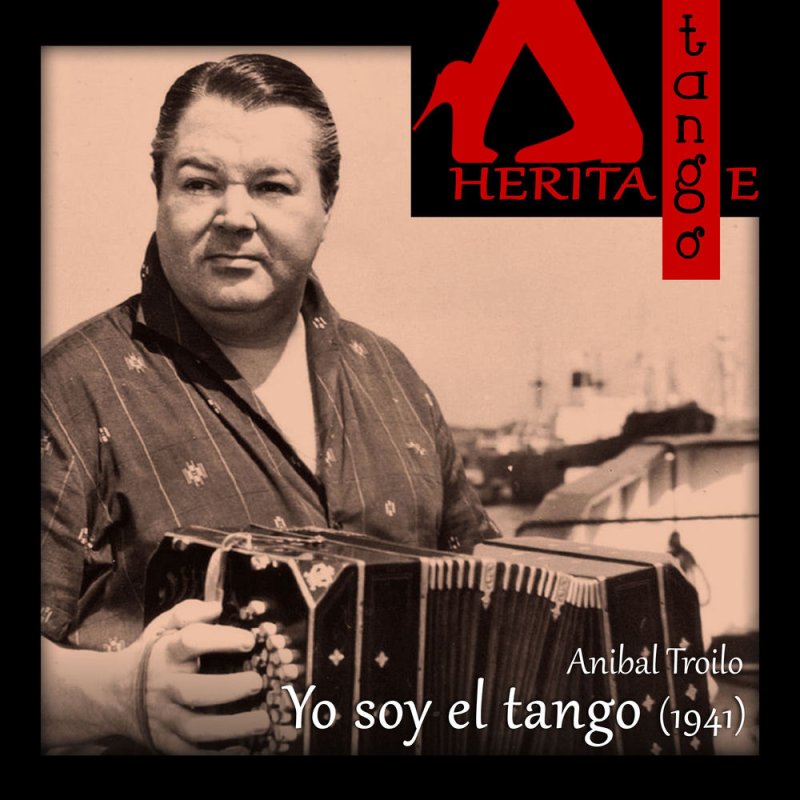
Yo soy el tango - 1941
Aníbal Troilo · 2004 · Track 12
Details