The story behind
Second Hand News, according to DoReSol
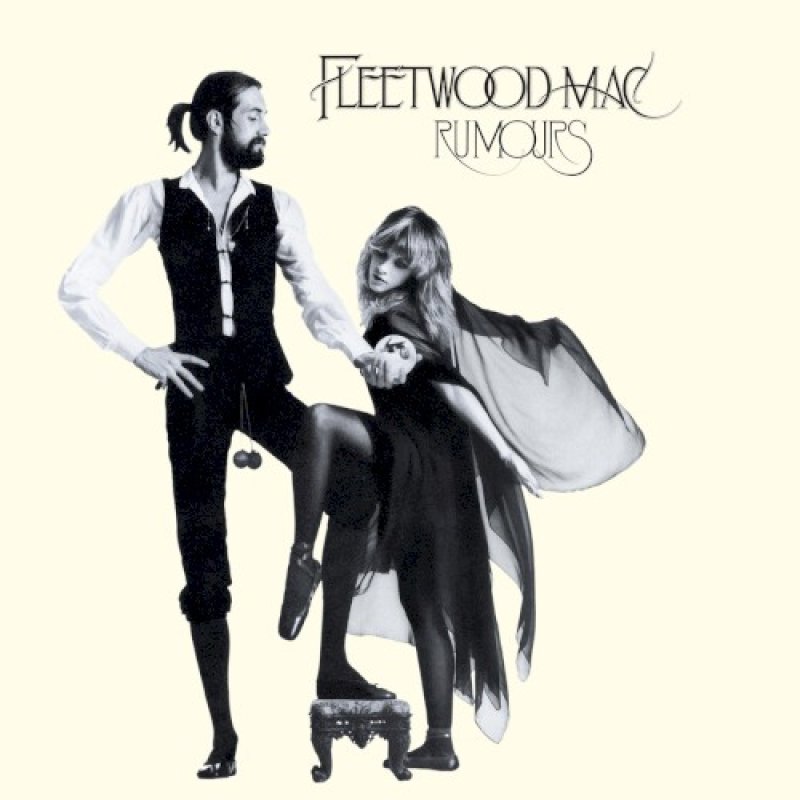
When you dive into Second Hand News, you encounter an energy that propels you from the very first second. The song opens Fleetwood Mac’s album Rumours, and that introduction, with its opening lines, seems to set the tone for everything that follows. It’s as if it’s telling you: “this is what’s happening now.” What’s interesting is how Lindsey Buckingham, who wrote the song, originally conceived it as an acoustic demo, which he called “Strummer.” But after listening to the Bee Gees’ Jive Talkin’, something changed. He decided to give it a twist, add more layers of electric guitar, and craft a sound that evoked a slightly Celtic feel—even using unconventional percussion, like striking a Naugahyde chair with drumsticks.
The story behind Second Hand News is deeply tied to the band’s complex relationships at the time. Buckingham wrote it with the idea of finding solace in others after a relationship that didn’t work out. There’s a palpable irony in lines that claim not to miss someone when they’re gone, despite the fact that they can’t live without that person. The recording had its quirks. Buckingham took charge in several aspects, even the bass line, which was originally more elaborate by John McVie. When McVie went on vacation, Buckingham recorded his own simpler version, using quarter notes. At first, John McVie re-recorded the bass, adapting to Buckingham’s guidance, though he added his own personal touch. Even Mick Fleetwood’s drum part in the choruses was suggested by Buckingham, who showed him how he wanted it to sound in a very physical, almost theatrical way. In the end, it was Buckingham himself who recorded those tom-tom fills because they sounded better. The 1976 recording session in California, where the entire Rumours album was crafted, was an intense period marked by personal breakups and drug use—elements that undoubtedly influenced the direction and lyrics of the songs.
From album

Rumours
Fleetwood Mac · 1977
Details
Credits
Lyrics Lindsey Buckingham
Music Lindsey Buckingham