The story behind
Run to the Hills, according to DoReSol
The song Run to the Hills kicks off with a relentless rhythm: the drums mimic the pounding of a galloping horse while the guitars sketch a dark outline over a G major base. But what makes it unique isn't just its speed—it's the way it tells two stories at once. The lyrics alternate between the voice of the Cree, describing the arrival of white settlers as a wave of violence, and that of the European soldiers, who see the land as an empty territory to claim. The chorus, that repeated cry "Run to the hills / Run for your lives", acts as an unforgettable echo: it's not just a warning, it's a condemnation. And all of this in three and a half minutes, without missing a single bass hit.
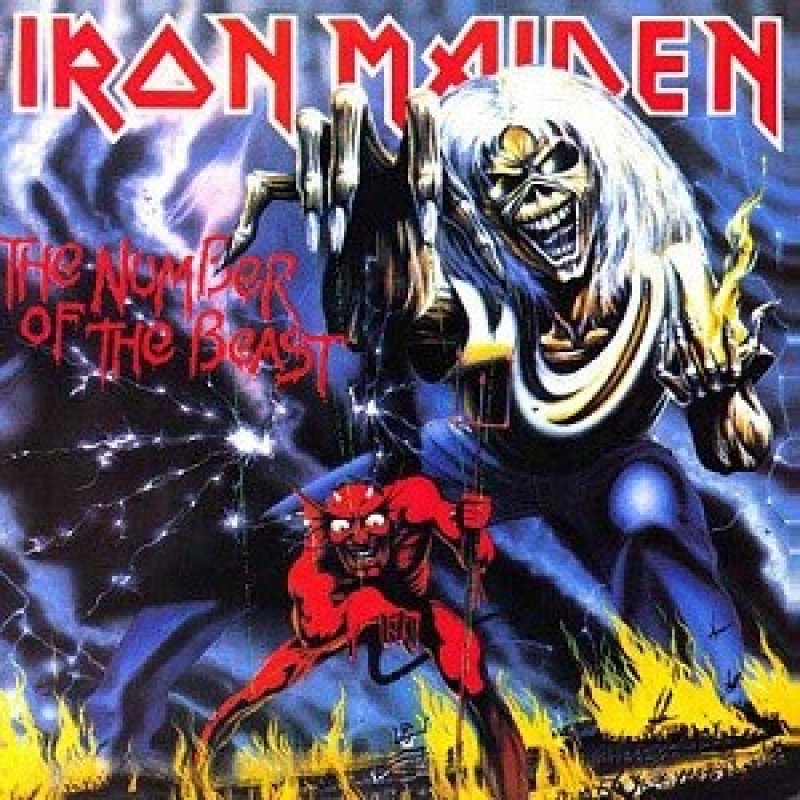
Steve Harris composed the track in 1981, during the sessions for what would become The Number of the Beast, the album that marked Bruce Dickinson's debut as vocalist. The single was released on February 8, 1982, seven weeks before the album, and was the first to feature the new singer. The B-side was Total Eclipse, a song the band later regretted not including on the original album. The track also has live versions: in 1985, from the album Live After Death, and in 2002, re-released to raise funds for the Clive Burr MS Trust Fund, following the former drummer's multiple sclerosis diagnosis. In 1990, the single was reissued as part of the box set The First Ten Years. The cover, featuring Eddie wielding an axe in front of a decapitated Satan, reinforces the clash between two worlds that the song narrates. And while Harris is credited as the sole composer, Dickinson admitted years later that he contributed melodic ideas, inspired by a documentary on why My Way became a universal hit.
From album

The Number of the Beast
Iron Maiden · 1982 · Track 6
Details
Credits
Lyrics Steve Harris
Music Steve Harris