Chords in progress
We have not analyzed this song audio yet. Once it is ready, you will see the chord player synced with the video.
The story behind
Rebel Music (3 O’Clock Roadblock), according to DoReSol
This song doesn’t ask permission to sound loud. Rebel Music (3 O’Clock Roadblock) bursts in with a rhythm that feels written at three in the morning, just when the body begs to stop but the mind remains at war. The bass and drums lay down a foundation that won’t quit, as if time itself had become an obstacle to dodge. Marley isn’t singing about rebellion: he lives it from within, with a voice that shifts between a whisper and a shout, as though every word comes from a place where rules no longer apply. The guitar, for its part, weaves between melodic lines and abrupt cuts, giving the sense that the song moves forward no matter the obstacles—even those it creates itself.
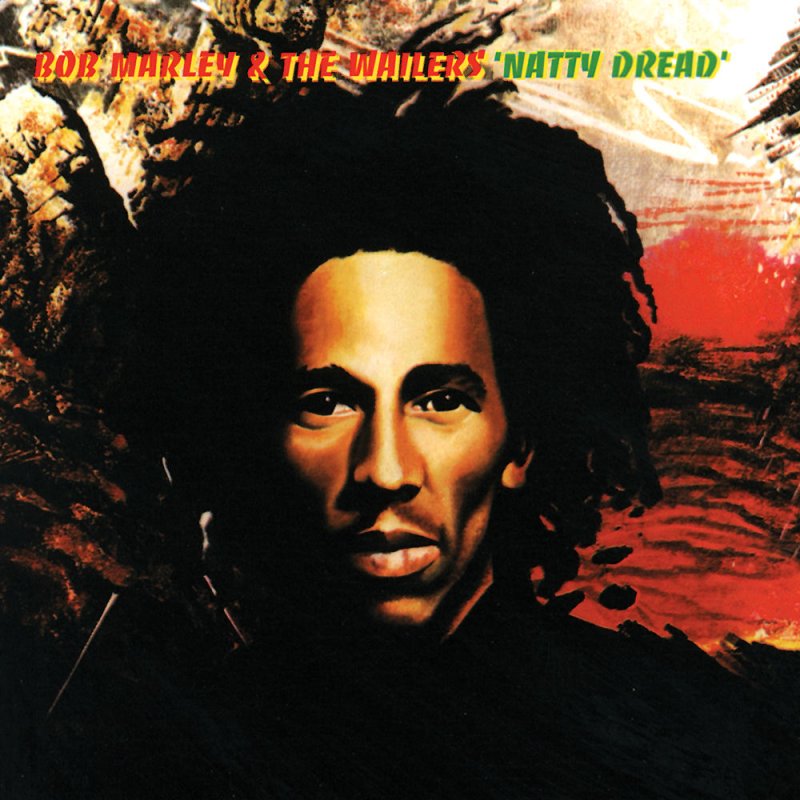
The track was recorded at a time when Bob Marley was no longer just the leader of the old The Wailers, but the center of a new lineup that included the Barrett brothers—Aston "Family Man" on bass and Carlton on drums—and musicians like Junior Marvin and Al Anderson on guitars. Chris Blackwell, the producer at Island Records, was there to capture that raw yet precise sound, with Sid Bucknor handling the mix. It ran nearly seven minutes, long enough for the song to breathe through its layers of percussion, keyboards, and backing vocals without needing studio edits. Later, in 2003, Natty Dread—the album it’s on—landed at number 181 on Rolling Stone’s list of the 500 greatest albums of all time, but at the time it only sought to mirror what Marley felt living in a world that shut doors in his face.
From album

Natty Dread
Bob Marley & The Wailers · 1974 · Track 4
Details
Credits
Music Aston “Family Man” Barrett, Hugh Peart