The story behind
Realmente no estoy tan solo, according to DoReSol
When you dive into the interpretation of Realmente No Estoy Tan Solo, you encounter a piece that, despite its 3:51 duration, condenses a particular energy. What's interesting about this track is how it departs from the lyrical and musical sophistication that would characterize later works by Ricardo Arjona. Here, the Guatemalan singer-songwriter's voice is presented with a rawness and a more down-to-earth perspective, almost as if he were narrating everyday experiences without filters. It's a reflection of a stage where fame had not yet shaped his approach, allowing the essence of the "lone wolf" to feel more genuine and accessible to the listener.
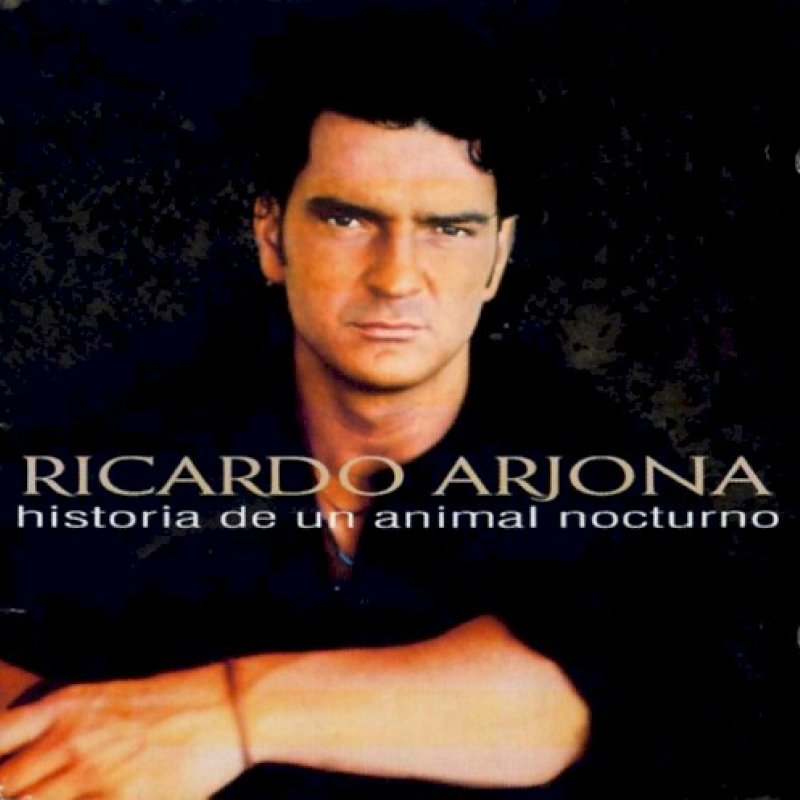
This track belongs to Animal Nocturno, his fourth studio album, which saw the light of day on February 9, 1993. Recorded in Guatemala, this album represented a turning point for Arjona. Although the album itself was released in 1993, the context of its creation and the rebellious and bohemian lyrics that comprise it, as perceived in Realmente No Estoy Tan Solo, offer a fascinating window into the artist's evolution. The impact of Animal Nocturno was such that, as it is said, it marked a before and after in his career, propelling him towards a recognition that, in turn, would lead him to refine his style. Throughout his career, Arjona has explored a variety of genres, from ballads to Latin pop and rock, but in this particular track, one can feel that more direct and less polished root that, for many, is what connects most intimately.
From album

Animal nocturno
Ricardo Arjona · 1992 · Track 13
Details