The story behind
Really and Sincerely, according to DoReSol
This piece, Really and Sincerely, immerses us in a melancholic atmosphere, a reflection of the emotions Robin Gibb was going through. The song was born from a very difficult personal experience: his involvement in the Hither Green rail crash. As Robin himself recounted, the piece was conceived as a meditation on the difficulty of connecting with someone after such a traumatic event, and also as a way to express the intensity of his relationship with Molly Hullis, his partner at the time who was also in the accident. The chorus, in particular, was composed in Paris, on the first night Robin had an accordion he had bought there. The sound we find in the final version, with the organ, was chosen over a previous take that used piano, which was recorded on November 28, 1967, at IBC Studios. The definitive take, which we hear on the album, was registered the following day.
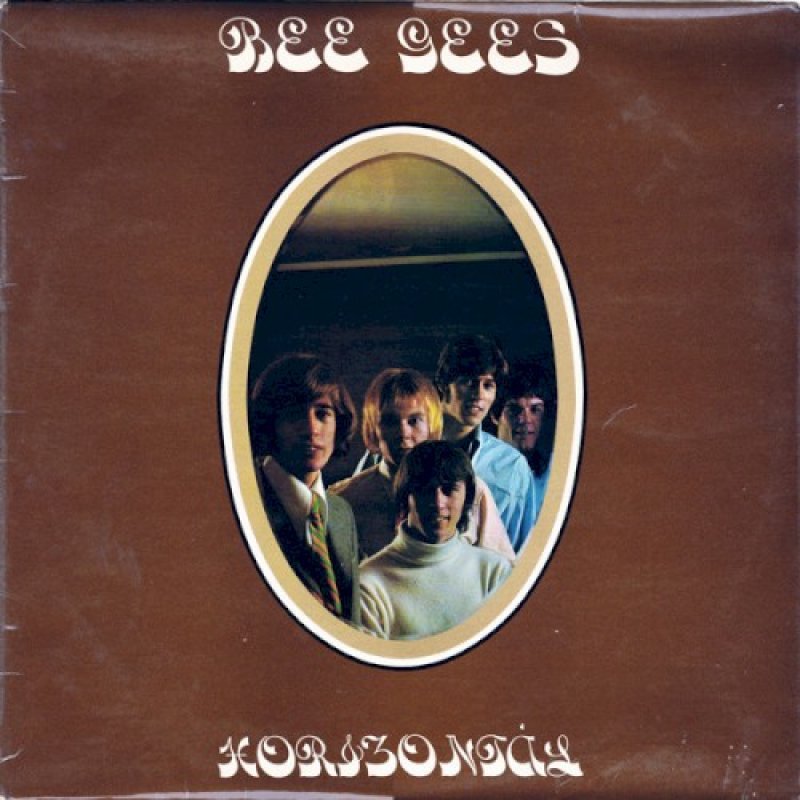
Really and Sincerely is part of the album Horizontal, released in early 1968. This work marked the second time the Bee Gees, made up of brothers Barry, Robin, and Maurice Gibb, presented an album with international reach. The album, released under the Polydor label in several countries and Atco in the United States and Canada, showed influences ranging from the Beatles to Baroque Pop. Although Horizontal contained successful singles like Massachusetts and World, Really and Sincerely had its own life as the B-side of And the Sun Will Shine, released as a single in France. Later, in February 1970, it reappeared as a B-side, this time accompanying Let There Be Love. In 2006, an alternative version of the song, the one that originally featured piano, was included in the compilation The Studio Albums 1967-1968.
From album

Horizontal
Bee Gees · 1968
Details
Credits
Music Barry Gibb, Maurice Gibb, Robin Gibb