The story behind
Pa pa pa, according to DoReSol
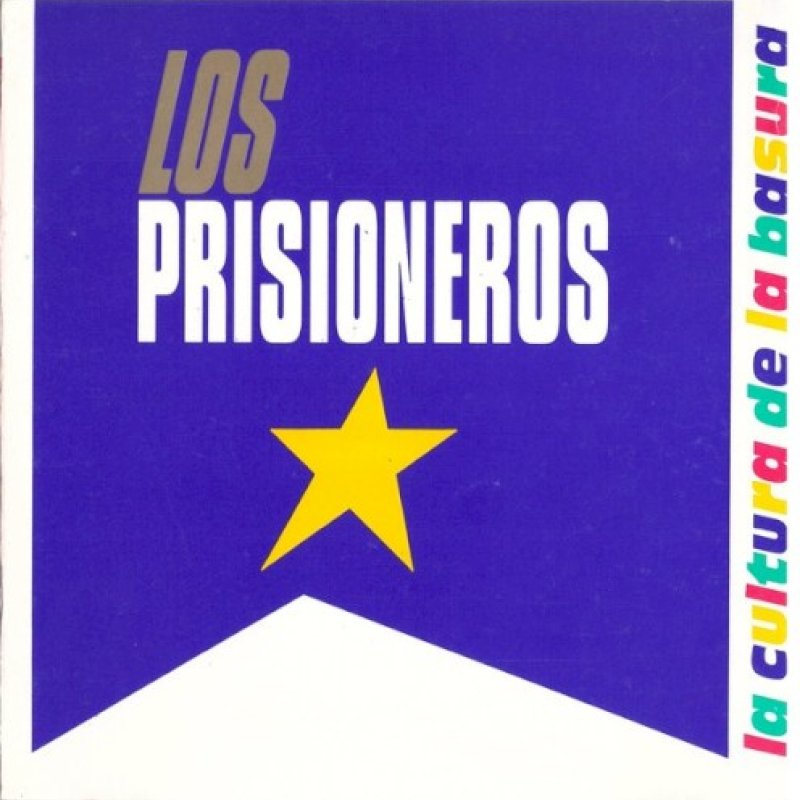
With its duration of 3 minutes and 33 seconds, Pa pa pa is one of the tracks that make up La cultura de la basura, the third studio album by Los Prisioneros. This record, originally released in Chile on December 3, 1987, was presented in two main formats: a Chilean edition with 14 tracks, which first saw the light in cassette and vinyl, and a Latin American version released the following year. The latter, distributed in Peru, Bolivia, Colombia, and Venezuela, included the single We are sudamerican rockers and featured 10 songs, many of which had different arrangements or new interpretations compared to the Chilean version. In 1988, Ecuador also had its own vinyl edition with a particular musical content. The album's title, La cultura de la basura, emerged as a reflection on the neoliberal mindset that took hold in Chile during the 1980s, alongside a discourse of economic success promoted by the dictatorship.
Los Prisioneros, formed in the commune of San Miguel, in Santiago de Chile, during the 1980s, established themselves as a fundamental band in the musical scene of their country and Latin America. The initial trio consisted of Jorge González, who handled vocals, bass, and was the main songwriter, Claudio Narea on guitar and backing vocals, and Miguel Tapia on drums and also backing vocals. Their musical proposal, which blended elements of pop-rock and punk, was characterized by lyrics with strong social and protest content. Throughout their career, albums such as La Voz de los '80 (1984), Pateando Piedras (1986), La Cultura de la Basura (1987), and Corazones (1990) marked important milestones. Initially, they explored a new wave sound with punk touches, later evolving toward synth pop. Their socially critical songs served as inspiration for a generation seeking to express itself against the oppression of the military dictatorship of Augusto Pinochet, which led the band to face censorship in the media until the early 1990s. Despite this ban, they achieved notable commercial success that transcended borders, gaining popularity in countries such as Colombia, Ecuador, and Peru.
From album

La cultura de la basura
Los Prisioneros · 1987 · Track 13
Details