Chords in progress
We have not analyzed this song audio yet. Once it is ready, you will see the chord player synced with the video.
The story behind
Outra vez, according to DoReSol
In Outra vez the silence and the guitar become the protagonists. It is not just a song, but the first moment when that unique way of playing is heard, which would later define bossa nova: the batida of João Gilberto, a rhythm that seems to dismantle and reassemble with every chord, as if the guitar were breathing. Recorded in 1958 for the album Canção do amor demais by Elizeth Cardoso, this brief piece —just one minute and fifty-one seconds long— hid something bigger than its duration. For the first time, someone played samba with such softness, almost as if the instrument and the voice flowed effortlessly, without the urgency of traditional rhythms. That night in the studio, between takes and pauses, a sound was born that would forever change how Brazilian music is heard.
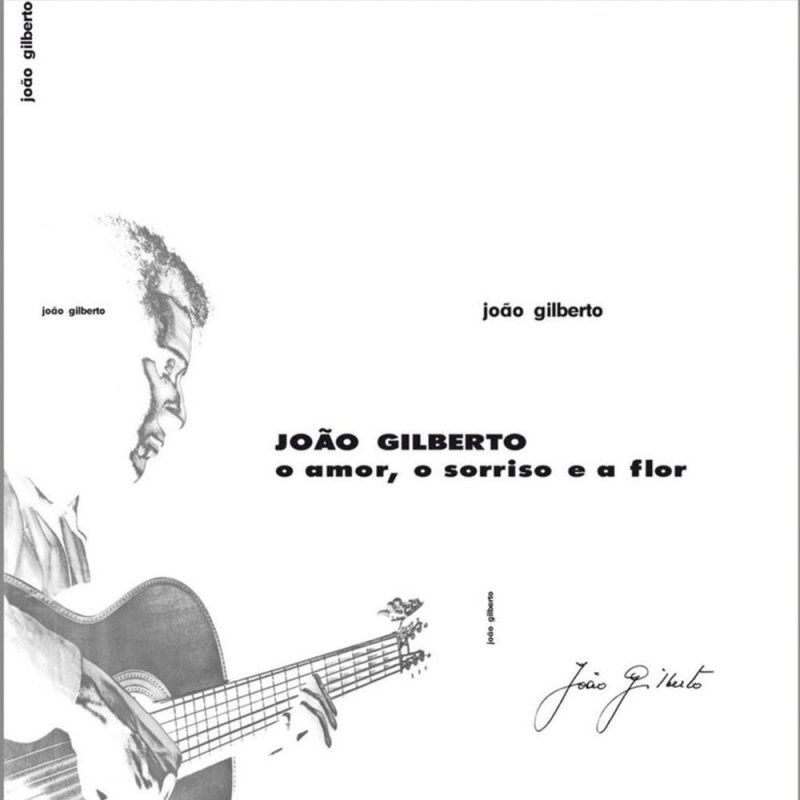
The album O amor, o sorriso e a flor, first released in the United States in 1960 as Brazil’s Brilliant João Gilberto and later in Brazil in 1961, took this discovery beyond Rio. Jobim, the composer, had already been working with lyrics by Vinícius de Moraes and harmonies that blended jazz and samba, but it was Gilberto’s guitar that gave shape to that idea. They were not seeking commercial success; they wanted something that sounded different, and they found it in simplicity. Producer Aloysio de Oliveira captured every note without retouching, trusting that the controlled imperfection —that almost whispered voice, without forced breaths— was part of the charm. Decades later, in 2022, the podcast Discoteca Básica included this album among the 500 most important in Brazilian music, but at the time it was merely an experiment that few understood at first.
From album

O amor, o sorriso e a flor
João Gilberto · 1960 · Track 12
Details