Chords in progress
We have not analyzed this song audio yet. Once it is ready, you will see the chord player synced with the video.
The story behind
Moritat, according to DoReSol
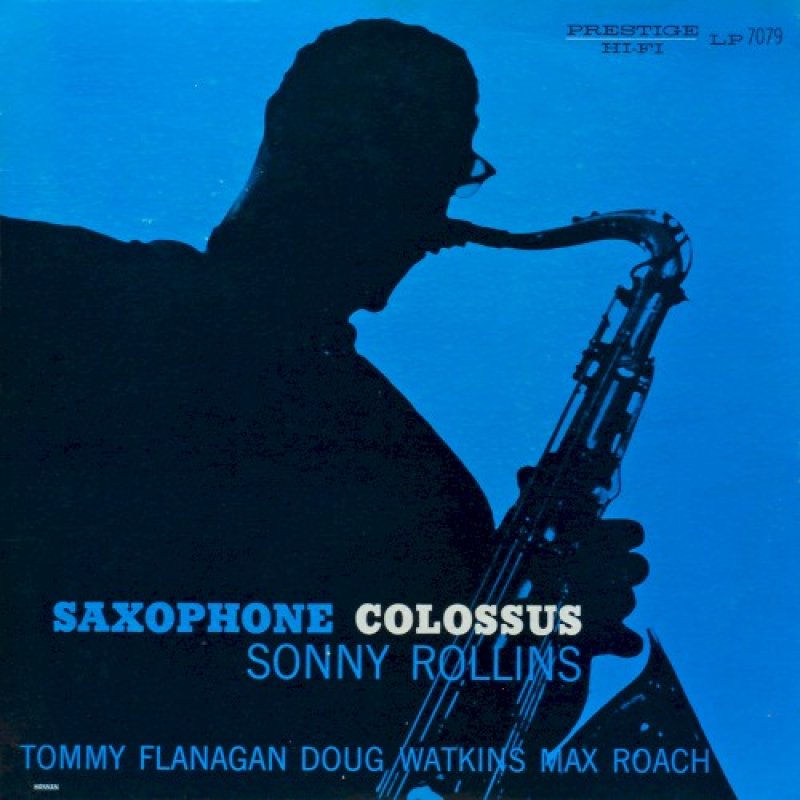
Moritat sounds like a saxophone breathing for the first time in an empty studio. The recording from June 22, 1956, in Hackensack, New Jersey, was captured in mono, untouched afterward, as if time had stopped just before the instrument unleashed its opening phrase. There are no layers of production to hide it: the raw sound of Sonny Rollins’s Saxophone Colossus moves forward with a clarity hard to find today. The nearly eleven-minute take — Duration exact: 10:05 — seeks no adornments, only letting the melody walk alone, as if each note were a step on an invisible bridge.
The piece emerged from a theme that had lingered in the shadows for decades: Die Moritat von Mackie Messer, taken from The Threepenny Opera. Rollins turned it into an improvised stroll where the saxophone plays with the shadow of the original lyrics but never sings the words. The session’s context offers no clarity: four days after the recording, Clifford Brown and Richie Powell — Max Roach’s bandmates in the Clifford Brown/Max Roach Quintet — died in a car crash on their way to Chicago. Rollins wasn’t in that car, yet the shadow of that loss seeps into the air of the recording. The album, produced by Bob Weinstock and recorded by Rudy Van Gelder, wasn’t just another record: it ended up defining Rollins as a soloist, though he himself recorded it as part of another band.
From album

Saxophone Colossus
Sonny Rollins · 1957 · Track 4
Details
Credits
Lyrics Bertolt Brecht
Music Kurt Weill