The story behind
Lonely Woman, according to DoReSol
When Lonely Woman plays for the first time, the saxophone of Ornette Coleman and the trumpet of Don Cherry appear as two voices calling to each other from opposite sides of the stage, almost as if they were whispering to one another. The melody unfolds slowly, drawing the listener into a state of restless calm: it is not a sad song, nor is it joyful, but something in between, as if the blues had dissolved into the air. The bass and drums begin together, marking a pulse that is neither strict nor repetitive, but flexible, as if each note breathed on its own. The AABA structure does not follow traditional rules: section A sounds like faded blues, while section B becomes a rhythmic riff without fixed harmony, as if the theme floated without anchors. What stands out most is how the instruments seem to move out of sync, creating a subtle tension that never fully resolves.
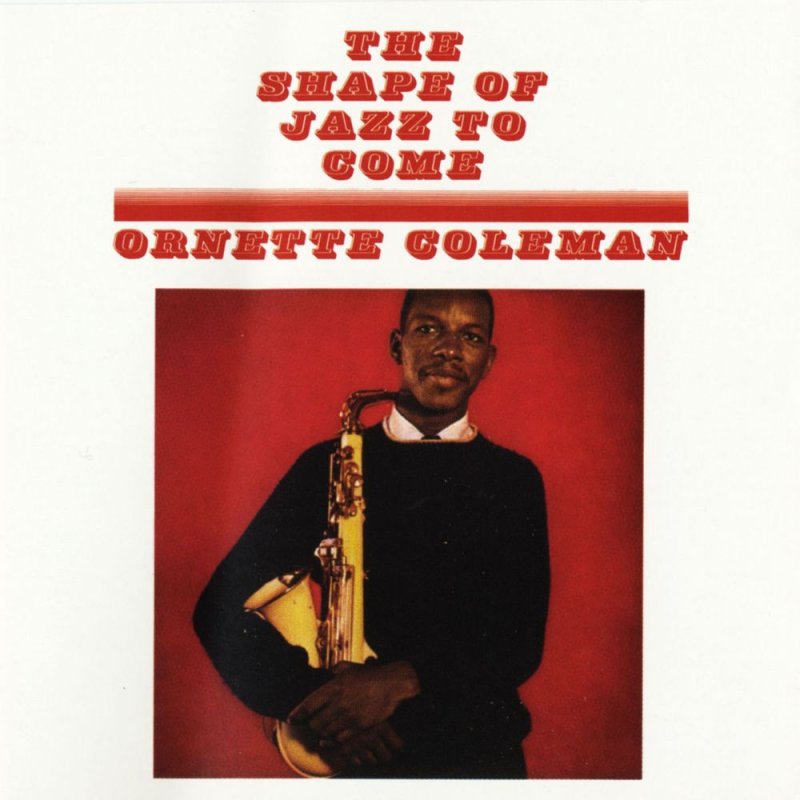
Recorded in May 1959 in Hollywood, Lonely Woman was born as part of The Shape of Jazz to Come, the album that launched Coleman to the forefront of free jazz. Producer Nesuhi Ertegun gave the record its title, aiming to convey the sense of music that still had no name. Two years later, Margo Guryan added lyrics to it, but the essence of the piece remains instrumental: a work that defies conventional tempo and harmony, yet, ironically, sticks in the memory effortlessly. In 2012, the Library of Congress included it in the National Recording Registry, recognizing its place in jazz history. Since then, the piece has been reimagined by voices like Diamanda Galás —who titled her version La Serpenta Canta— or instrumentalists like Branford Marsalis, who expanded it to over sixteen minutes, always outside the meter. It is not a standard in the usual sense, but a point of departure: whoever plays it must decide whether to follow Coleman’s shadow or get lost in its cracks.
From album

The Shape of Jazz to Come
Ornette Coleman · 1959 · Track 1
Details
Credits
Music Ornette Coleman