The story behind
Live to Tell, according to DoReSol
This song was born from a rejection and ended up being Madonna's first major ballad. It all started when Patrick Leonard composed an instrumental for the film Fire with Fire, but Paramount rejected it for not fitting the film's tone. Madonna, who was working with Leonard at the time on the Virgin Tour tour, heard the melody and saw something more in it: the opportunity to give voice to a story of family secrets and childhood wounds. So she took the track, added her own lyrics and a bridge, and turned it into the central theme of At Close Range, the drama starring her then-husband Sean Penn. The result was a pop ballad with torch song touches, where Madonna's voice flows between vulnerability and strength, as if each note carried the weight of something unsaid.
The recording took place at Channel Recording Studios in Los Angeles, during the True Blue sessions in 1985. Leonard insisted on using Madonna's demo take because, in his words, it captured that fragile innocence that gave the song its essence. The single was released on March 26, 1986, in the United States, a week before the film's premiere, and in April it reached other markets like Italy and Canada. It not only climbed to the top of the Billboard Hot 100 and Adult Contemporary charts, but also became her third song to top the U.S. charts and the first to do so in the ballad ranking. The video, shot in a dark studio with intercut scenes from the film, reinforced its impact, though the most controversial performance came years later in the Confessions Tour (2006), where Madonna sang suspended on a cross of mirrors, sparking criticism for alleged blasphemy but also defending the message: giving visibility to the suffering of children with AIDS in Africa. Since then, the song has remained a staple in her tours, including the Celebration Tour (2023–2024), and its 5-minute and 45-second structure—with that moment of dissolution in the bridge where only the synthesizer remains—continues to be an example of how to build emotional tension without losing melody.
From album

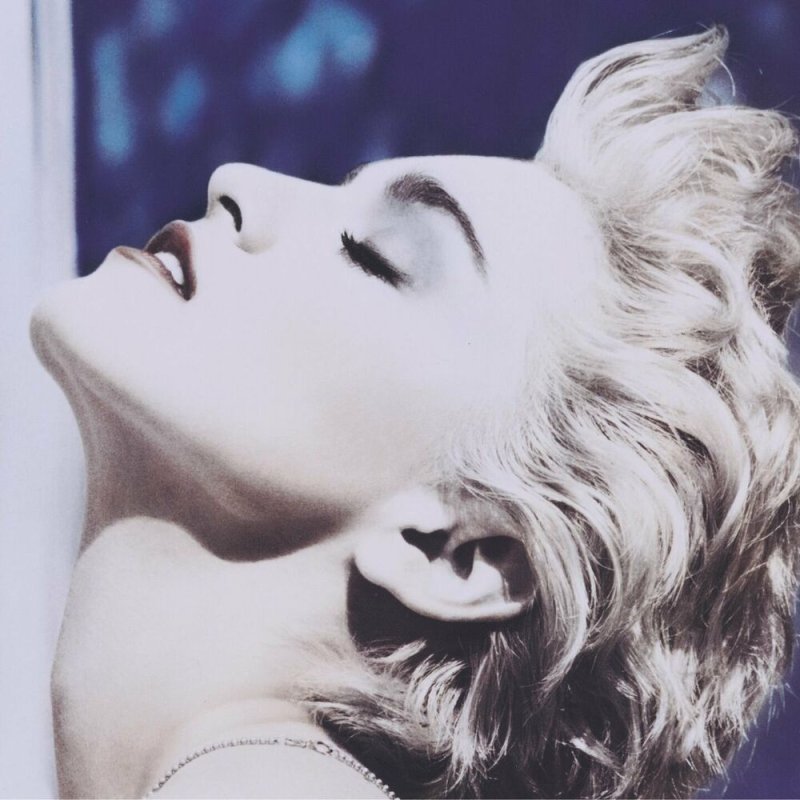
True Blue
Madonna · 1986 · Track 4
Details
Credits
Music Madonna, Patrick Leonard