The story behind
La arenosa, according to DoReSol
When you immerse yourself in La arenosa, you encounter a voice that envelops you, one that doesn't seek unnecessary adornments but goes straight to the essence of emotion. It is the unmistakable voice of Mercedes Sosa, also known as *La Negra Sosa* or *The Voice of America*, who left us an indelible legacy from her native San Miguel de Tucumán to her passing in Buenos Aires. She herself defined herself as a "cantora," a profound distinction within the *Nuevo Cancionero* and *Nueva canción latinoamericana* that she helped forge. This way of understanding music, where "singing" is a vital necessity and not just a skill, resonates in every performance, as in those albums titled Canciones con fundamento or Yo no canto por cantar.
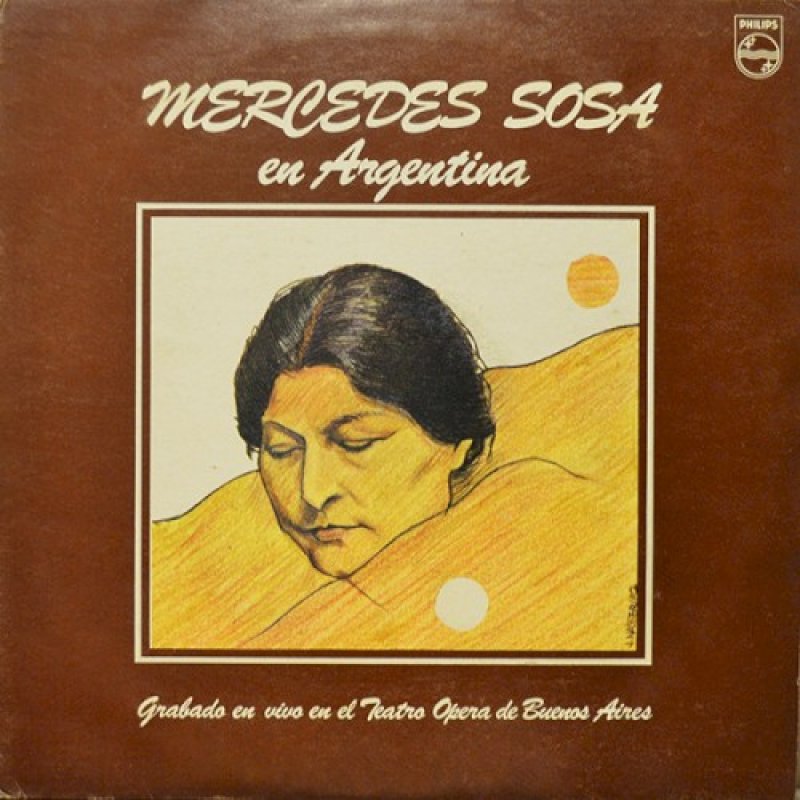
The career of Mercedes Sosa led her to be a recognized figure not only throughout Latin America but also in Europe, Israel, and East Asia. Her ability to traverse diverse genres, from tango and rock to pop, without losing her folk roots, is remarkable. Songs like Alfonsina y el mar, Gracias a la vida, or Todo cambia are just a few examples of the interpretations that consolidated her in the musical landscape. Her work encompasses an extensive discography, including albums such as Canciones con fundamento (1965), Yo no canto por cantar (1966), Mujeres argentinas (1969), Homenaje a Violeta Parra (1971), Cantata sudamericana (1972), Mercedes Sosa interpreta a Atahualpa Yupanqui (1977), Mercedes Sosa en Argentina (1982), Alta fidelidad (1997), and her participation in the Misa criolla (2000).
From album

Mercedes Sosa en Argentina
Mercedes Sosa · 1982 · Track 13
Details
Credits
Music Manuel Castilla, Gustavo "Cuchi" Leguizamón