Chords in progress
We have not analyzed this song audio yet. Once it is ready, you will see the chord player synced with the video.
The story behind
It’s Not for Me to Say, according to DoReSol
Billie Holiday’s voice on It’s Not for Me to Say floats over an arrangement that seems suspended in time. It’s not just the melody that captivates, but how the piano and brass intertwine with phrasing that oscillates between intimacy and drama, as if each note breathes before it falls. The song doesn’t ask permission to settle in your head: it enters unannounced and stays, more for its atmosphere than its length—just two minutes and twenty-nine seconds that leave a mark.
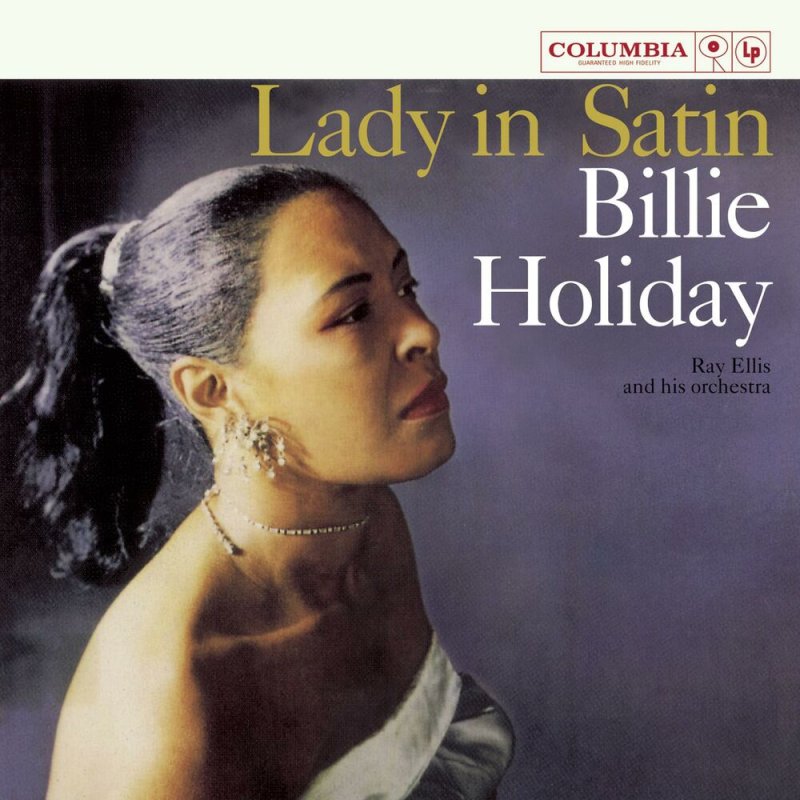
Recorded in 1958 for the album Lady in Satin, this track is one of the last Billie recorded in her lifetime. The album, produced by Irving Townsend and with sound engineering by Fred Plaut, marks a return to the studios after years of touring and personal struggles. Here, Billie’s voice no longer has the agility of her early years, but gains depth, as if every word carries the weight of what she’s lived. The song itself is a slow waltz, with a piano sketching melancholic lines while the brass peeks in discreetly, almost like a whisper. There are no technical displays, just the honesty of a performer who knows she doesn’t have to prove anything.
From album

Lady in Satin
Billie Holiday · 1958 · Track 10
Details
Credits
Lyrics Al Stillman
Music Robert Allen