Chords in progress
We have not analyzed this song audio yet. Once it is ready, you will see the chord player synced with the video.
The story behind
Isn’t This a Lovely Day, according to DoReSol
Isn’t This a Lovely Day is one of those songs that you listen to and it lingers in the air. It’s not just Ella Fitzgerald’s voice gliding between notes with a precision that seems impossible, nor the Oscar Peterson Quartet’s accompaniment flowing as if there were no rush. It’s that conversation between two jazz giants, where every pause and every breath sounds like complicity. Fitzgerald and Louis Armstrong don’t sing together like two competing soloists: they take turns, challenge each other, and complete one another. Armstrong, with his raspy and warm tone, and Ella, with that clarity that defies any register, make the piece sound less like a performance and more like an intimate dialogue between old friends.
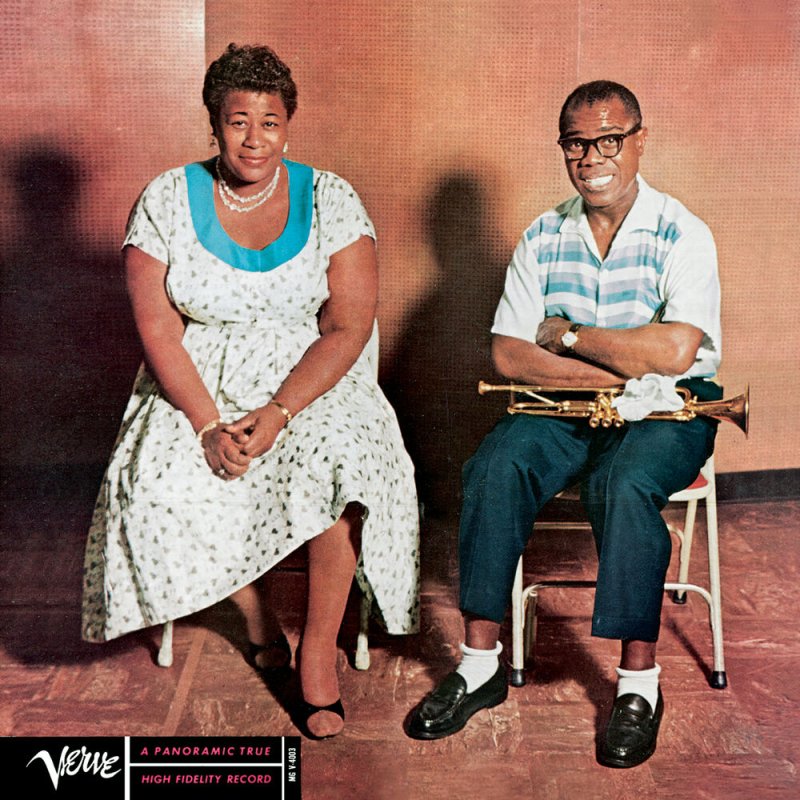
The recording of Isn’t This a Lovely Day came out in October 1956, as part of the album Ella and Louis, the first of three released by the label Verve Records with this duo. Norman Granz, the man behind Verve, had gathered eleven ballads for both artists to take into the studio. They weren’t looking for a random commercial hit, but songs that could breathe calmly, without haste. On August 16 of that year, in the newly opened Capitol Studios in Hollywood, Armstrong had the final say on which tracks to record and in what keys. The result wasn’t just another album: it was a meeting where jazz became domestic, elegant, yet without losing its essence. The version of Isn’t This a Lovely Day lasts 6:17, enough time for the piece to unfold with a naturalness that deceives. There are no artifices, just two voices that recognize each other and a piano accompanying them as if it had always been there.
From album

Ella and Louis
Ella Fitzgerald · 1956 · Track 2
Details
Credits
Lyrics Irving Berlin
Music Irving Berlin