The story behind
How Deep Is Your Love, according to DoReSol
When the Gibb brothers set out to record for the studio album that would follow Children of the World, their manager, Robert Stigwood, asked them to contribute some songs for a film he was producing. From that assignment, five tracks emerged, and among them was How Deep Is Your Love. The main composition fell to Barry, Robin, and Maurice Gibb, but the structure was defined in collaboration with keyboardist Blue Weaver. Co-producer Albhy Galuten recognized Weaver's significant influence on this piece, describing his contribution as "quite significant," especially on the piano foundation, which almost felt like a composition in itself.
Weaver recounted that, one early morning, he and Barry worked in the recording studio. Barry asked him to play the most beautiful chords he knew, and together they built the melody and harmony. Robin and Albhy also stopped by, making small adjustments that ultimately shaped the song. The initial recording, a demo, was made at Le Château d’Hérouville, in France. There, the chord structure and the electric piano sound were established, which Weaver considered fundamental to the song's atmosphere. Later, more sound layers were added at Criteria Studios, in Miami. Weaver mentioned that the electric piano sound was key to the final feel of the track.
Although additional textures were added during recording, the lyrics and basic composition remained intact. The title, How Deep Is Your Love, was chosen for its resonance and the multiple interpretations it evoked. Released as a single in September 1977, the song was included in the soundtrack of the film Saturday Night Fever and reached number three in the United Kingdom and Australia. In the United States, it topped the Billboard Hot 100 on December 25, 1977, remaining in the Top 10 for 17 weeks and leading the adult contemporary chart for six weeks. In 2011, viewers of a British television special voted it the favorite song of the Bee Gees.
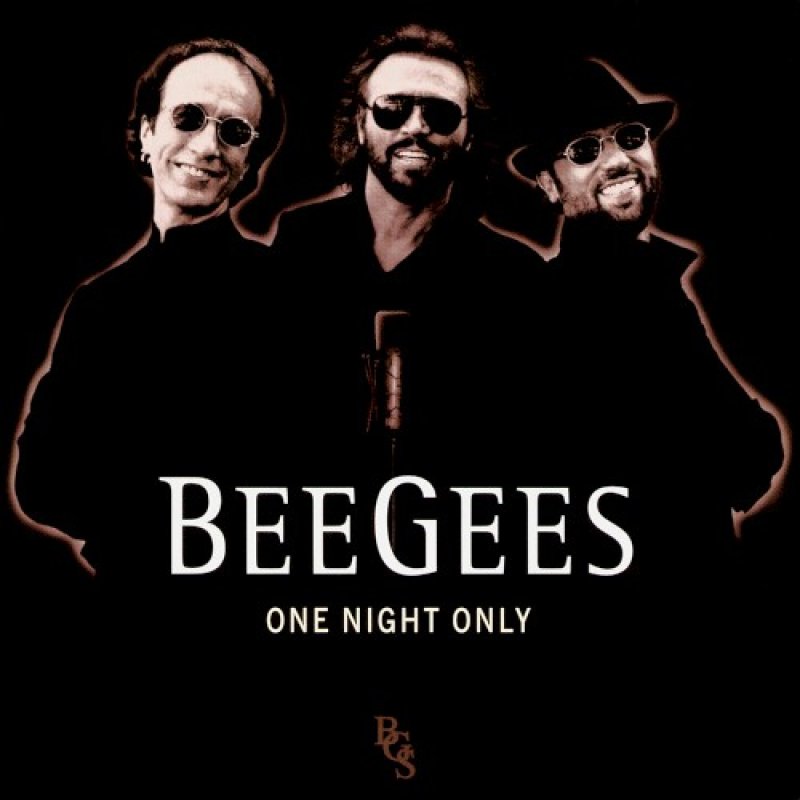
From album

One Night Only
Bee Gees · 1998 · Track 22
Details
Credits
Music Barry Gibb, Maurice Gibb, Robin Gibb