The story behind
Horizontal, according to DoReSol
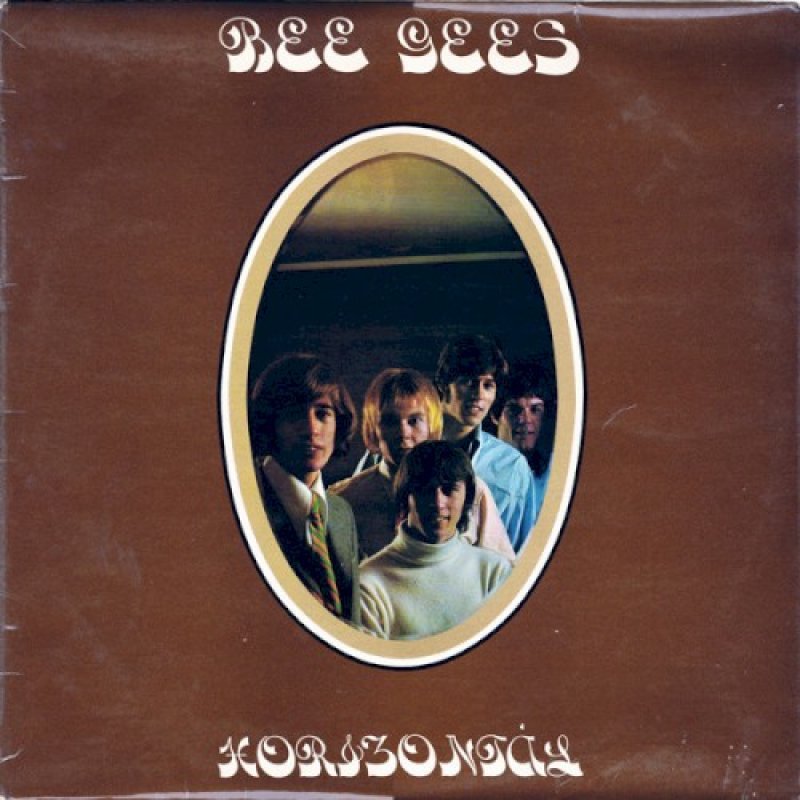
When the Gibb brothers set out to create Horizontal, their fourth studio album and the second with international reach, they turned to influences ranging from the sounds of The Beatles to baroque pop. This work, released in early 1968, brought with it singles that resonated globally, such as "Massachusetts" and "World". The album's production, handled by The Bee Gees themselves along with Robert Stigwood, sought a distinctive sound, and the result was an album that, even in 2007, received a reissue with additional mixes and unreleased material. The single "And the Sun Will Shine", accompanied by "Really and Sincerely", had a particular release in France.
The Bee Gees, formed in 1958 by brothers Barry, Robin, and Maurice Gibb, had already demonstrated their ability to create unique and catchy vocal harmonies. Born on the Isle of Man and with a childhood shared between Manchester, England, and Redcliffe, Queensland, Australia, the brothers began their musical journey in the latter. After an initial success in Australia with "Spicks and Specks", they returned to the United Kingdom in January 1967, where Robert Stigwood boosted their international projection. The group was characterized by its unmistakable three-part vocal harmonies, with Robin's distinctive vibrato marking their early hits and Barry's falsetto defining their later sound. The brothers not only wrote their own hits but also created and produced songs for other artists.
From album

Horizontal
Bee Gees · 1968
Details
Credits
Music Barry Gibb, Maurice Gibb, Robin Gibb