The story behind
Good Morning Good Morning, according to DoReSol
The first time you hear Good Morning Good Morning, you might be struck by the sheer number of sounds swirling around. The idea of starting with a rooster's crow, which then gives way to other animals in a progressively escalating sound chain, is quite unique. What's interesting is that this sequence of sounds isn't random; it was conceived so that each animal could "devour" or scare off the previous one. Imagine, they end with a hen's clucking, which ingeniously fades into the guitar sound of the next track, Sgt. Pepper's Lonely Hearts Club Band (Reprise). This concept of animal sound effects, including everything from birds and cats to dogs, cows, horses, and even a pack of hunting dogs with trumpets, seems to have been inspired by the end of the Beach Boys' album Pet Sounds.
Beyond this sonic peculiarity, the song has a rhythmic pulse that deviates from the norm, with constant time signature changes and a sense of movement that makes it very dynamic to perform. The spark for composing Good Morning Good Morning came from a television commercial for Kellogg's Corn Flakes cereal. John Lennon, who wrote it, used to have the television on in the background while he worked, and the slogan from the ad, along with a reference to a TV show called Meet the Wife, became the starting point. The recording of the main rhythm track took place on February 8, 1967, and over several subsequent sessions, layers of instruments and vocals were added.
The bass and lead vocals arrived on February 16, a brass section was recorded on March 13, backing vocals and a guitar solo on March 28, and the aforementioned animal sound effects on March 29. Interestingly, the guitar solo we hear was played by Paul McCartney on a Fender Esquire. The overall production was handled by George Martin, who also brought in Sounds Incorporated to contribute the brass arrangements that are so characteristic of the song.
From album

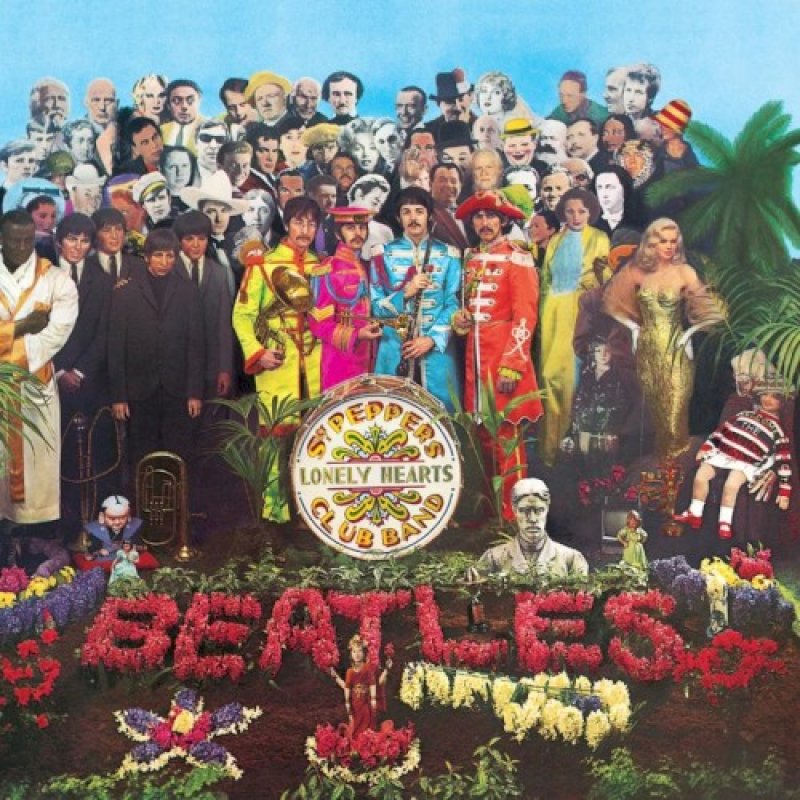
Sgt. Pepper’s Lonely Hearts Club Band
The Beatles · 1967
Details
Credits
Music Paul McCartney, John Lennon