Chords in progress
We have not analyzed this song audio yet. Once it is ready, you will see the chord player synced with the video.
The story behind
Fading Like a Flower (Every Time You Leave), according to DoReSol
The song Fading Like a Flower (Every Time You Leave) by Roxette is a powerful ballad known for its emotional depth and captivating musical structure. Released on April 29, 1991, as the second single from their album Joyride, the track was written by Per Gessle and produced by Clarence Öfwerman. With a moderate tempo of 105 beats per minute, the song unfolds in a melodic rock format, featuring a piano as its foundation. Its harmonic progression is quite accessible, making it ideal for guitar or piano performances. The melody soars through a key change that occurs midway, adding an emotional dimension to the interpretation.
The music video, filmed in Stockholm, complements the melancholic atmosphere of the lyrics, which address the sadness of farewell. Despite not reaching the same level of success as its predecessor Joyride, Fading Like a Flower became a resounding hit, peaking at number two on the Billboard Hot 100 and entering the top 10 in 12 other countries. This song marked Roxette’s fifth consecutive top 10 entry in the U.S., solidifying their status in the music scene of the time.
Recorded in July 1990 at EMI Studios in Stockholm, the song showcases Gessle’s ability to craft memorable melodies and emotionally resonant lyrics. The track’s mix was handled by a team including Gessle and engineer Anders Herrlin, contributing to its distinctive sound. Additionally, in 1996, Roxette recorded a Spanish version for their album Baladas en Español, further expanding its reach. With its blend of rock and pop, Fading Like a Flower remains a testament to Roxette’s talent and their ability to connect with audiences through music.
From album

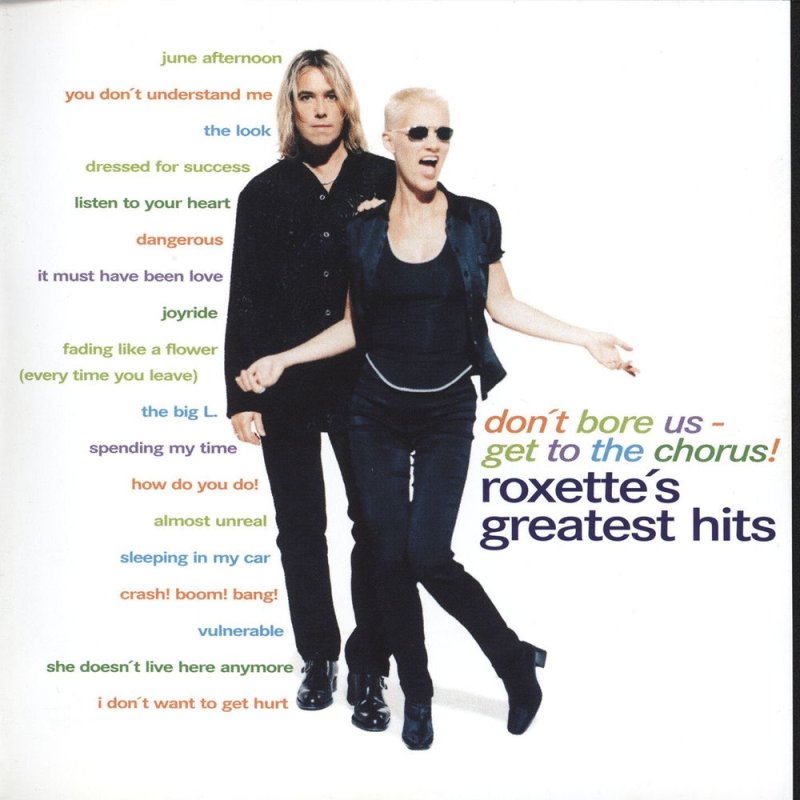
Don’t Bore Us, Get to the Chorus
Roxette · 1995 · Track 9
Details
Credits
Lyrics Per Gessle
Music Per Gessle