Chords in progress
We have not analyzed this song audio yet. Once it is ready, you will see the chord player synced with the video.
The story behind
Every Little Kiss, according to DoReSol
When you immerse yourself in *Every Little Kiss*, you encounter a story that resonates with the experience of many families. The idea behind the song, as recounted by Bruce Hornsby's brother, John Hornsby, was born in the summer of 1985. At that time, news reports frequently discussed the closure of steel mills and shipyards, and the lyrics capture that sense of longing and the helplessness that arises when economic circumstances take away your control over your life. It reflects how families can be separated when one member must seek work far away, in another town, due to a lack of opportunities at home.
Musically, *Every Little Kiss* was originally recorded in 1985, with Bruce Hornsby on piano, accompanied by an Oberheim OB-X analog synthesizer and a LinnDrum drum machine. An interesting detail is that the initial solo piano passage is a quote from "The Alcotts," a movement from Charles Ives's *Concord Sonata*. The song was first released in May 1986 as the lead single from the album *The Way It Is*. Although it had a modest performance upon its initial release, reaching number 72 on the Billboard Hot 100, its potential became more evident after the success of other singles from the album. Following the number one hit of *The Way It Is* in December 1986 and the Grammy Award for Best New Artist in February 1987, the record label decided to give it another chance. A 5:10 remix was prepared by Los Angeles producer Eddie King, and this new version, released in May 1987, climbed to number 14 on the Hot 100, as well as reaching number three on the Hot Adult Contemporary chart. Critics at the time described it as "catchy yet traditional," and some compared it to a blend of Jackson Browne and Bob Seger.
From album

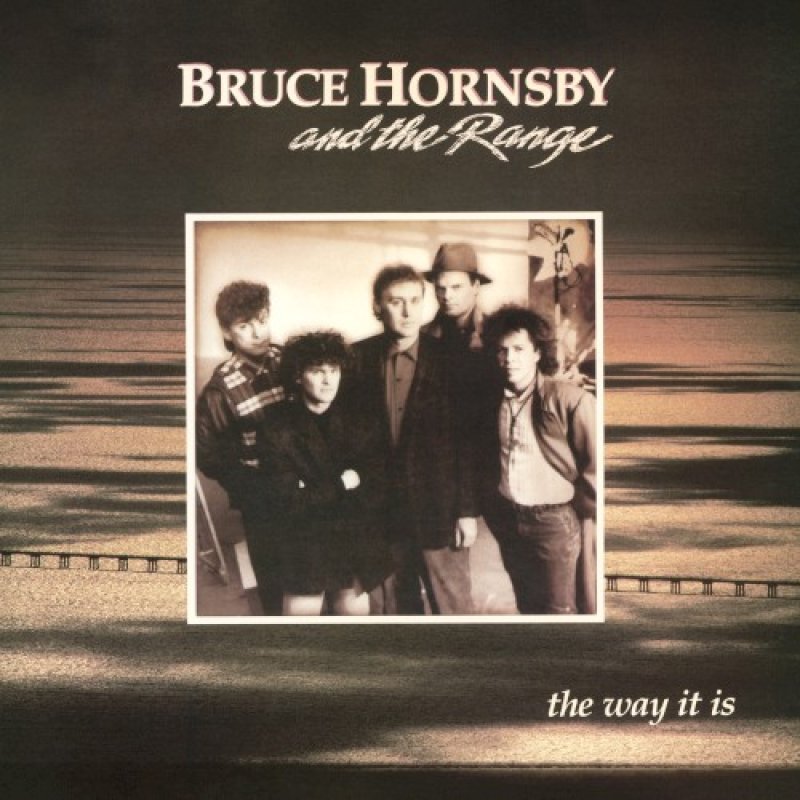
The Way It Is
Bruce Hornsby & the Range · 1986 · Track 2
Details
Credits
Lyrics Bruce Hornsby
Music Bruce Hornsby