The story behind
Este seu olhar, according to DoReSol
This song is one of those pieces where silence and the guitar become the protagonists. In just two minutes and fourteen seconds, what seems simple —a chord that repeats subtly, a voice that almost whispers— achieves something profound: it makes the listener feel as if time stands still. There are no adornments, no choirs, no accelerated rhythms. Only the guitar marking a gentle pulse and a melody that unfolds as if floating above that rhythm, as if each note breathes before falling into the next measure. It is that way of singing, almost effortlessly, where syllables stretch or anticipate the beat without forcing, which gives it that unique magic. It is not music to fill spaces, but to inhabit each one of them.
João Gilberto recorded it at a pivotal moment in his life. He was born in Juazeiro in 1931, but it was in Rio de Janeiro, in the early 1950s, where he began shaping what would later become Bossa. After losing his band and his job, he remained obsessed with finding a sound that did not yet exist. Until he met Tom Jobim, a pianist with classical training who loved American jazz. Together they refined that idea: take the rhythm of samba, strip away what is superfluous, and leave only the essential, something that could be played on a guitar with no other accompaniment than the silence between notes. In 1958, when Canção do Amor Demais by Elizeth Cardoso included compositions by both, it became clear that this new style —Bossa Nova— had arrived to stay. Gilberto soon recorded his first album, and along the way, this song emerged, where every detail, from the tempo to the phrasing, seems calculated so that nothing is left over or missing.
From album

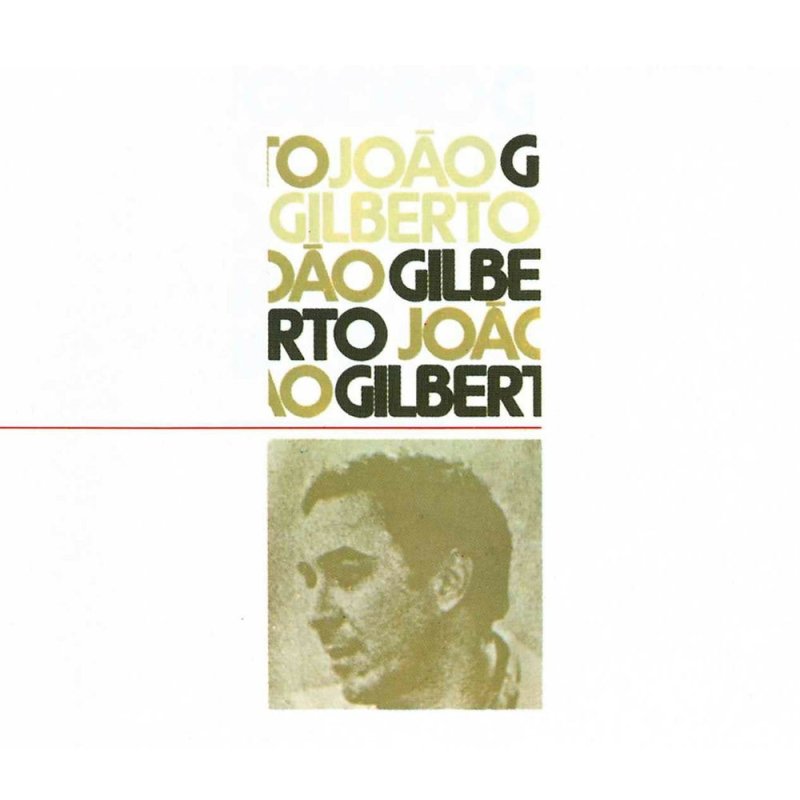
João Gilberto
João Gilberto · 1962 · Track 12
Details