The story behind
Dirty Pool, according to DoReSol
Dirty Pool sounds like a blues that unfolds at its own pace, as if each note breathes the heat of a Texas dive bar at three in the morning. It’s not the kind of track that hits you immediately with a sticky riff; instead, it draws you in through its atmosphere: Stevie Ray Vaughan’s guitar traces clean lines over a rhythm that sways between the organic and the calculated, as though every chord were crafted to make the listener feel the sweat in the air of the studio. What’s most striking is that, despite its length—five minutes and two seconds—no second is wasted: every transition between sections flows with such natural ease that it feels as if the song had always existed, waiting to be recorded.
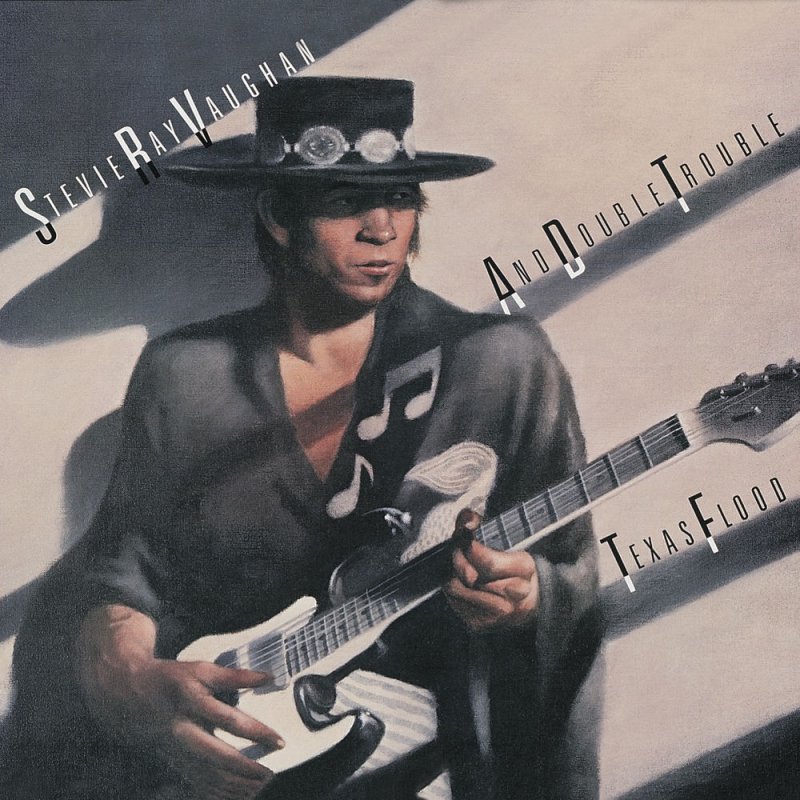
The story behind this track is just as compelling as its sound. Dirty Pool was recorded in just three days, in the personal studio of Jackson Browne, a space not designed for big productions but which turned out to be the perfect setting to capture that raw energy. The album it belongs to, Texas Flood, hit the market in 1983 and, against all odds, became the most-listened-to blues record in North America in nearly two decades. The song wasn’t a single, but it ended up being one of those cuts that fans often highlight when talking about Vaughan’s discography: not the most commercial, but one of those moments where the band sounds as if they’re playing only for themselves. It even earned a Grammy nomination in 1983 for Best Blues Recording, a detail that confirms that, sometimes, what’s most authentic ends up being the most valued.
From album

Texas Flood
Stevie Ray Vaughan and Double Trouble · 1983 · Track 8
Details
Credits
Lyrics Stevie Ray Vaughan, Doyle Bramhall
Music Stevie Ray Vaughan, Doyle Bramhall