The story behind
Country Lanes, according to DoReSol
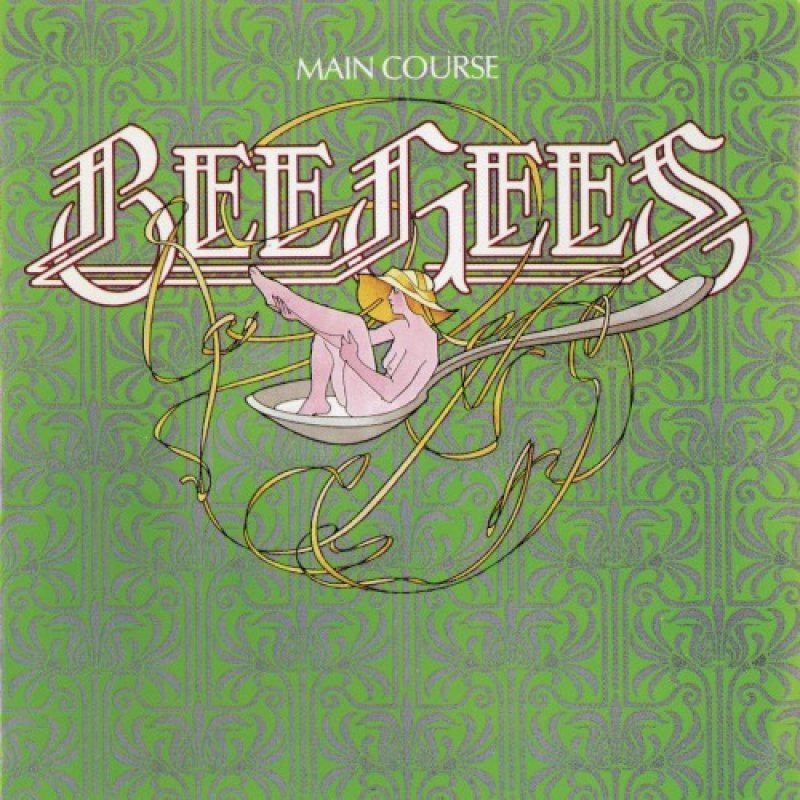
The song Country Lanes, part of the Bee Gees' album Main Course, transports us to a sound that marked a before and after for the group. Released in 1975, this record was a turning point, moving away from their previous style to embrace influences closer to R&B, soul, and funk, laying the groundwork for their late seventies sound. This change not only revitalized their career but also renewed their public image, especially in the United States, after the lukewarm reception of their previous works. The recording of Main Course marked the incorporation of Blue Weaver on keyboards, who had previously played with Strawbs and toured with Mott the Hoople. Producer Arif Mardin was in charge of the session, shaping this new sonic direction.
The Bee Gees, formed by brothers Barry, Robin, and Maurice Gibb, began their musical journey in Australia, after having lived their early years in England. Their first hit on the Australian charts was Spicks and Specks, before returning to the United Kingdom in 1967, where their career gained international momentum. The distinctiveness of their music always resided in their instantly recognizable three-part vocal harmonies. While Robin's distinctive vibrato characterized their early hits, Barry's falsetto voice became their trademark in the late seventies and eighties. The brothers not only wrote their own hits but also created and produced tracks for other artists. The duration of Country Lanes is 3:28.
From album

Main Course
Bee Gees · 1975 · Track 7
Details
Credits
Music Barry Gibb, Robin Gibb